
Fitness and Nutrition: It’s All About Grains
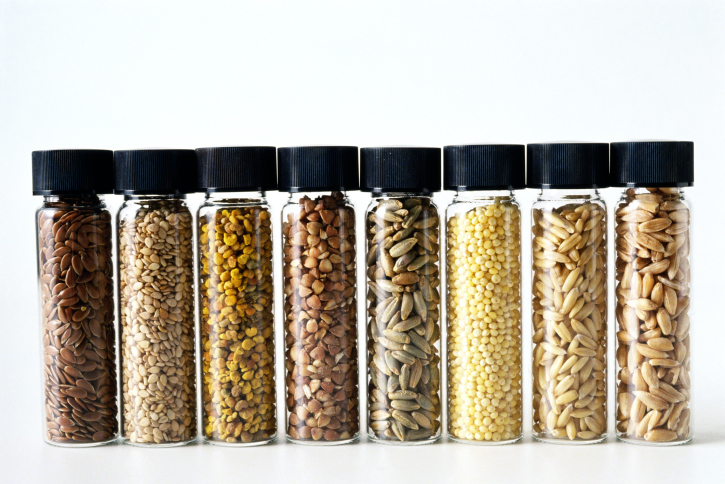
Unlike refined grains, which are crushed, rolled or processed in some way, whole grains contain all of the original nutrients and parts of the grain. Whole grains should be the preferred fuel for athletes. Aim for three to five grams of whole grains every day per pound of body weight to improve your energy level on the court!
Making half of your grains whole grains is a good way to make your diet healthier.
Any food made from wheat, rice, corn meal, barley or another cereal grain is a grain product.
Grains are divided into two subgroups: Whole grains and refined grains. Whole grains contain the entire kernel: The bran, germ and the endosperm. People who eat whole grains as part of a healthy diet have a reduced risk of some chronic diseases.
Choosing the proper whole grain foods
►Search the label: Look at the Nutritional Facts labels and ingredients list to find choices lower in saturated fat and added sugar.
►Look for the word “Whole” at the beginning of the ingredients list: Foods that say “Multi-Grain,” “100% Wheat,” “High Fiber” or are brown in color may not be a whole grain products.
►Find the fiber on the label: Look for more than three grams per serving of fiber.
►Is gluten in whole grain: People on a gluten-free diet should choose carefully. There are many whole grain products, such as buckwheat, certified gluten-free oats or oatmeal, popcorn, brown rice, wild rice and quinoa that fit the parameters of a gluten-free diet.