
Calm Under Pressure: Practical Tools to Help Tennis Players Reduce Anxiety and Thrive on Court
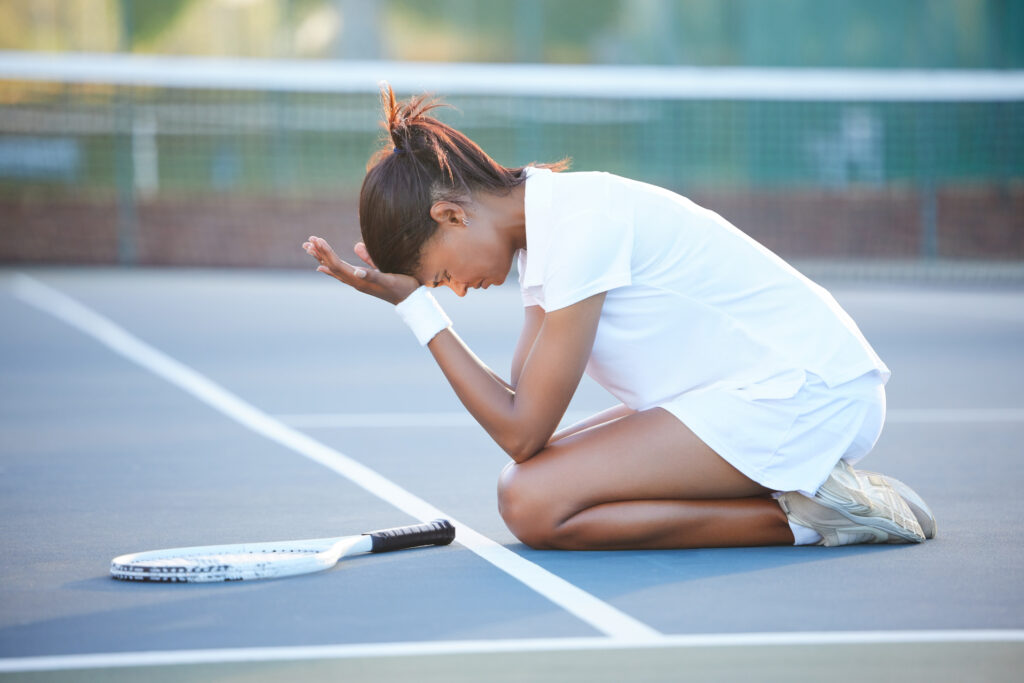
Anxiety is a tough opponent. It doesn’t hit forehands or serve aces, but it can derail even the most talented tennis players. Whether it’s pre-match nerves, fear of failure, or the pressure to perform in front of coaches and peers, anxiety is a real mental hurdle. Fortunately, today’s players have more tools than ever to manage stress, sharpen focus, and stay present under pressure.
Here’s a powerful toolkit that blends modern science with time-tested wisdom. These strategies are practical, accessible, and can be woven into daily training routines or pre-match preparation.
While written with tennis players in mind, these tools apply to athletes in all sports seeking to perform at their best.
Mindfulness-Based Interventions (MBI)
Mindfulness isn’t about zoning out—it’s about tuning in. The goal is simple: become more aware of your thoughts and sensations, without judgment, so they don’t control you.
→Start with just five minutes of breath-focused meditation daily.
→Ground yourself before matches with three deep breaths and 10 seconds of sensory awareness.
→Use mindfulness apps like Headspace or Calm for guided support.
→Keep a mindfulness journal to track triggers, emotions, and reactions.
This helps create space between thought and action—key for making smart decisions under pressure, especially in individual sports like tennis.
Somatic Practices: Move to Feel Better
Anxiety lives in the body as much as the mind. Somatic techniques use movement to help release tension, restore balance, and enhance self-regulation.
→Yoga: Builds flexibility and calm through conscious movement and breath.
→Tai Chi: A flowing martial art that fosters centeredness and balance.
→Feldenkrais & Alexander Technique: Subtle, intelligent movement re-education to reduce unnecessary effort.
→Pilates: Strengthens the core and improves postural control—useful for tennis footwork and injury prevention.
→Brazilian Jiu-Jitsu or Martial Arts: Teaches how to stay calm under real physical pressure.
→Rolfing (Structural Integration): Helps release fascial tension and emotional holding patterns.
These practices train body awareness and promote relaxation even during intense competition—on the tennis court or in any athletic arena.
Breathing Techniques
Breath is one of the fastest ways to influence the nervous system. Learn to use it consciously.
→Box Breathing (4-4-4-4): Inhale for 4, hold for 4, exhale for 4, hold for 4.
→Physiological Sigh: Two quick inhales followed by a long, slow exhale. A quick calm-down hack.
→4-7-8 Breathing: Inhale 4, hold 7, exhale 8. Ideal for post-match recovery or sleep prep.
Practice during training so it becomes second nature during matches or games.
Self-Talk: Take Control of the Inner Narrative
Your inner voice can be a coach or a critic. The choice is yours.
→Replace negative thoughts with constructive ones: “I always choke” becomes “This is a chance to stay composed.”
→Use cue words like, “Breathe,” “Focus,” or “Next point.”
→Repeat mantras like “I’ve earned this,” or “I belong here.”
→Confront imposter syndrome by listing your hard work and past wins.
→Reframe the fear of judgment: “They’re watching, not judging. I play for myself.”
Self-talk isn’t fluff—it’s how elite athletes stay in control during pressure moments, whether on a tennis court, track or field.
Visualization and Imagery
What the mind rehearses, the body follows.
→Visualize your service games, your footwork, and your recovery after mistakes.
→Include multiple senses—hear the crowd, feel the grip, see the ball land.
→Rehearse adversity: see yourself calm and composed after double faults or bad calls.
→Use short 2-minute visualizations before practice or matches.
Mental reps reinforce confidence and reduce fear of the unknown—for tennis players and all performers under pressure.
Biofeedback and Smart Tech
Technology now lets you see your internal state in real-time.
→Use wearables like Whoop, Oura Ring, or Garmin to track stress, HRV, and recovery.
→Train yourself to lower heart rate before big points using breathing or visualization.
→Biofeedback apps teach you how to calm your body with visual cues and games.
Data isn’t just numbers—it’s a mirror for your habits and progress. Tennis athletes and others can use it to monitor readiness and recovery.
Confidence Builders
Confidence isn’t magic—it’s built through consistency, clarity, and reminders of your worth.
→Write down five recent wins each week—big or small.
→Use a match-day routine to feel grounded and prepared.
→Set process goals (“keep first-serve percentage above 65 percent”) instead of outcome goals.
→Watch highlight clips of your best points before matches.
→Surround yourself with a support team who believes in your journey.
Confidence grows when you recognize your own patterns of success. These habits help any athlete rise, regardless of their sport.
Extra Tools Worth Trying
→Gratitude practice: Write 3 things you’re grateful for daily. Shifts your mindset.
→Cold exposure: Cold showers or ice baths train the mind to handle discomfort.
→Journaling: Record thoughts, moods, and breakthroughs.
→Nature walks: 10 minutes outdoors calms the nervous system.
→Sleep hygiene: Go to bed and wake up at consistent times. Avoid screens before bed.
→Nutritional balance: Eat to stabilize energy—avoid sugar crashes and excess caffeine on match days.
Winning in tennis isn’t just about strokes and strategy—it’s about mastering your inner game. Anxiety doesn’t have to control you. With the right tools and consistent practice, you can meet stress with strength, stay focused under pressure, and play your best when it matters most. And for athletes in every sport, these strategies are just as relevant—because composure, clarity, and calm are universal superpowers.