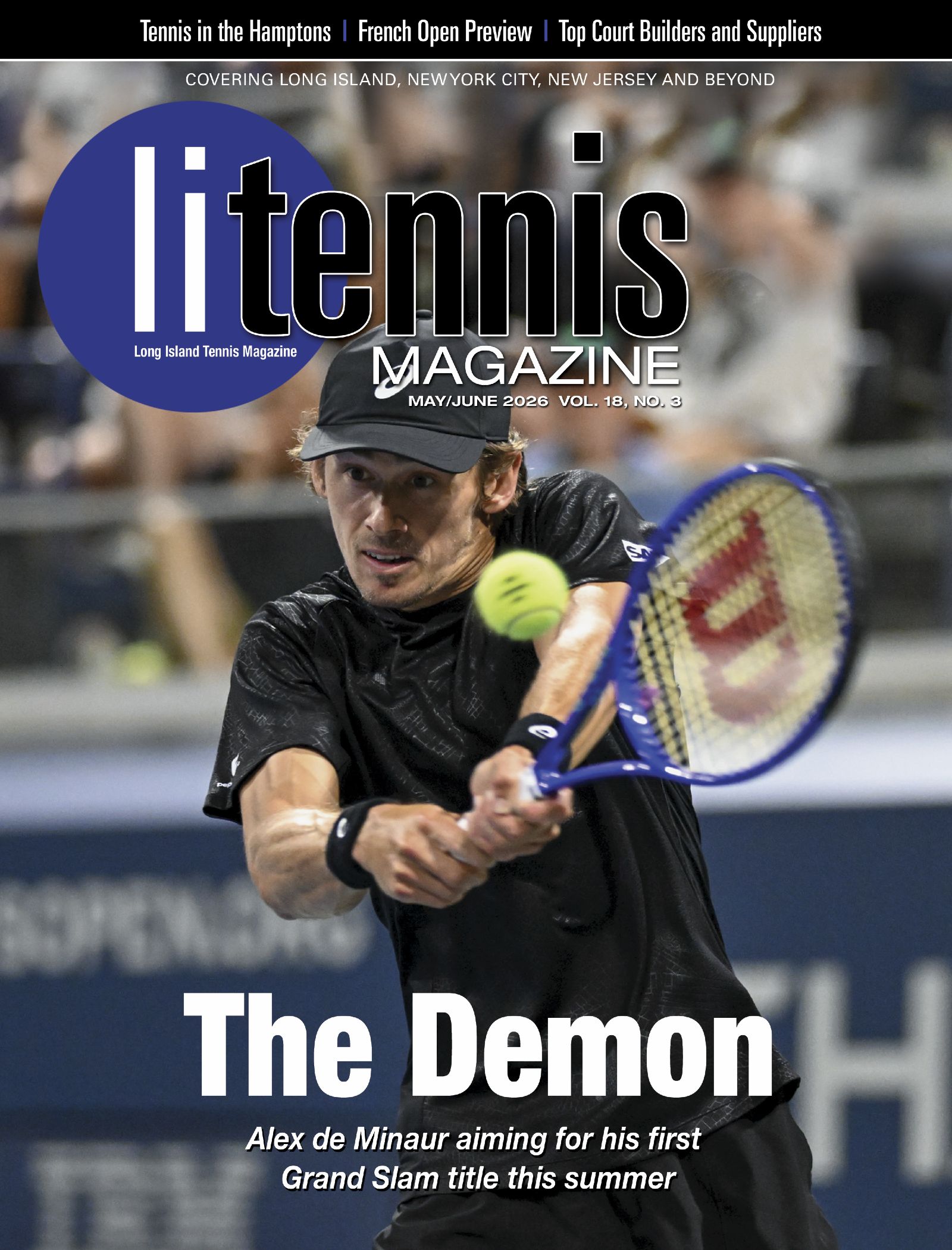
2023 Coaches Roundtable

The local tennis community boasts some of the top coaches in the world, and with this wealth of talent available, Long Island Tennis Magazine took the opportunity to pick the brains of some of these coaches.
These coaches share their thoughts on a wide variety of tennis topics and issues, ranging from junior tennis to the professional game.
 Ricky Becker is The Director of Tennis at the Glen Oaks Club. He also coaches high- performance juniors throughout the year and has been the Director of Tennis at three of Long Island’s biggest junior programs. As a player, Becker was the Most Valuable Player for the 1996 NCAA Championship Stanford Tennis team and ranked in the top-five nationally as a junior.
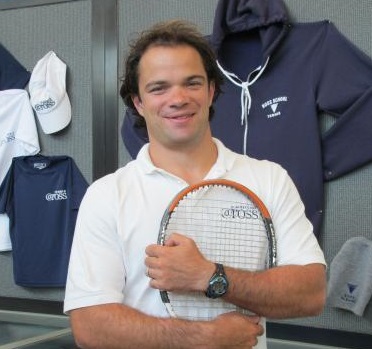 Vinicius Carmo is the Director of Tennis at the Ross School Tennis Academy. A former standout player from Brazil, Carmo attended the University of Tennessee on a full tennis scholarship, before moving on to direct several prestigous tennis programs in the Hamptons before going to RSTA. Carmo has expanded the program to include events, competitive training techniques and more, using his NCAA experience and extensive connections to help RSTA graduates in the next stage of their tennis careers.
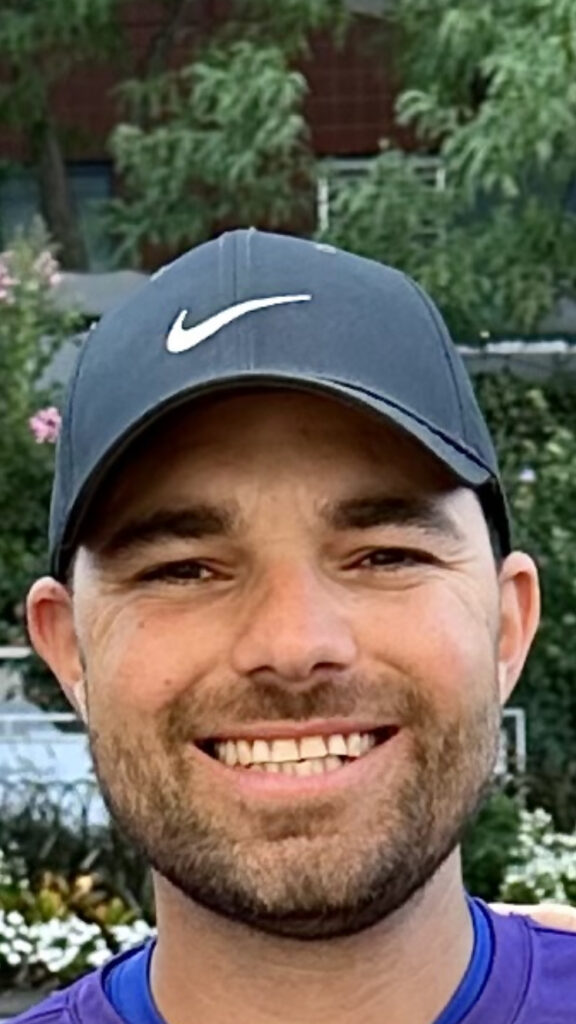 Gary Gaudio is the director of tennis at Eastern Athletic Club of Blue Point. He began his coaching career as a teenager coaching 10 and Under tennis with Suffolk County Junior Tennis league, and has a Masters in Sports Leadership from Northeastern University.
 Steve Kaplan is the owner and managing director of Bethpage Park Tennis Center, as well as director emeritus of Lacoste Academy for New York City Parks Foundation, executive director and founder of Serve &Return Inc and co-director of The City Classic Junior Tennis Academy. Steve has coached more than 1,100 nationally- ranked junior players, 16 New York State high school champions, two NCAA Division 1 Singles Champions, and numerous highly-ranked touring professionals. In 2017, Steve was awarded the Hy Zausner Lifetime Achievement Award by the USTA.
 Ed Krass coached the Harvard Women’s Tennis Team to four consecutive Ivy League titles from 1986-1990. Ed is the founder and director of the Annual College Tennis Exposure Camps, which are taught exclusively by all head college coaches for high school-aged players (15-18). Ed is also the founder of One-On-One Doubles tournaments, which have been played at USTA, ATP, ITA and USPTA national events.
 Adam Lee is the Director of Junior Development at Glen Head Racquet and Fitness. He was a three- year captain at Wake Forest where he still holds the program record for singles victories, and achieved an ATP ranking. He has worked with Top 500 ATP Tour players as well as top nationally- ranked juniors, and has USPTA, ITPA, Certified Tennis Performance Specialist and GPTCA coaching certifications.
 Chris Lewit is a former number one for Cornell and pro circuit player. He is a high-performance coach, educator, and the author of two best-selling books: The Secrets of Spanish Tennis and The Tennis Technique Bible. He has coached numerous top 10 nationally- ranked players and is known for his expertise in building the foundations of young prodigies. Chris coaches in NYC and year-round at his high performance tennis academy in Manchester, VT, where players can live and train the Spanish Way full- time or short-term.
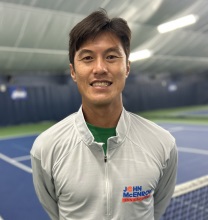 Rong Ma is a teaching professional at Sportime Port Washington. Originally from China, Ma combines a robust academic background with a distinguished tennis coaching career. Holding a Ph.D. in Education from the University of Hawaii at Manoa, complemented by an M.S. in Kinesiology and a B.S. in Exercise Sports Science, Ma has held positions as an assistant coach for the men’s and women’s tennis team both at BYU and the University of Hawaii.
 Ben Marks is Director of Junior Tennis at Carefree Racquet Club, and Director of Tennis at Cold Spring Harbor Beach Club. He previously worked at the JohnMcEnroe Tennis Academy, and was the Cold Spring Harbor Varsity Head Coach for three years, earning Nassau County Coach of the Year Honors in 2014. He played number one and number two singles for Norfolk State University, and number one doubles—reaching a career-high regional ranking of ninth in the Atlantic Region. He is a 2015 National Open Doubles Champion. In 2018, he was named USTA Long Island’s Tennis Professional of the Year.
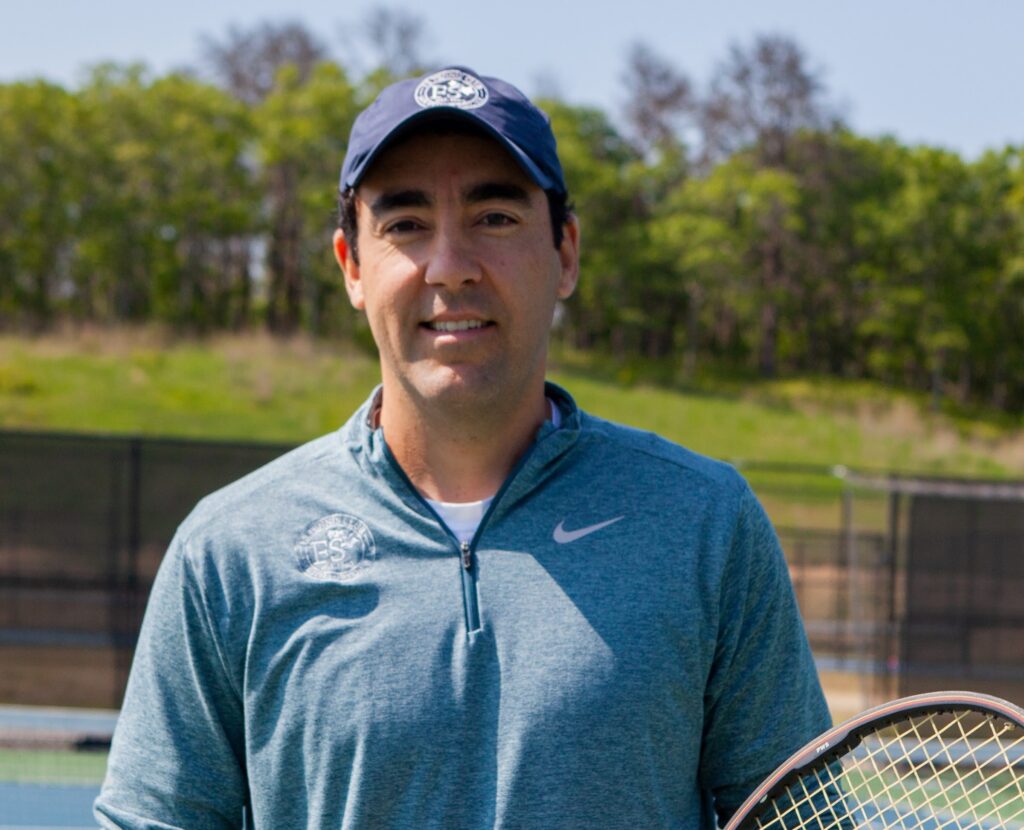 Pablo Montesi is the Tennis Club and Camp Director at Future Stars Southampton, and has been at Future Stars Camps for more than a decade. Montesi also runs a tennis academy in Miami Beach. A USPTA Certified Professional and PTR Certified instructor, Montesi is a native of Chile who first came to the United States on a tennis scholarship to Benedictine College in Kansas, where he led the team to three conference championships.
 David Nisenson is the director of junior development at Point Set Tennis. With more than 25 years of playing and coaching experience and an unmatched competitiveness, David has quickly become one of the driving forces behind Point Set’s junior development program.
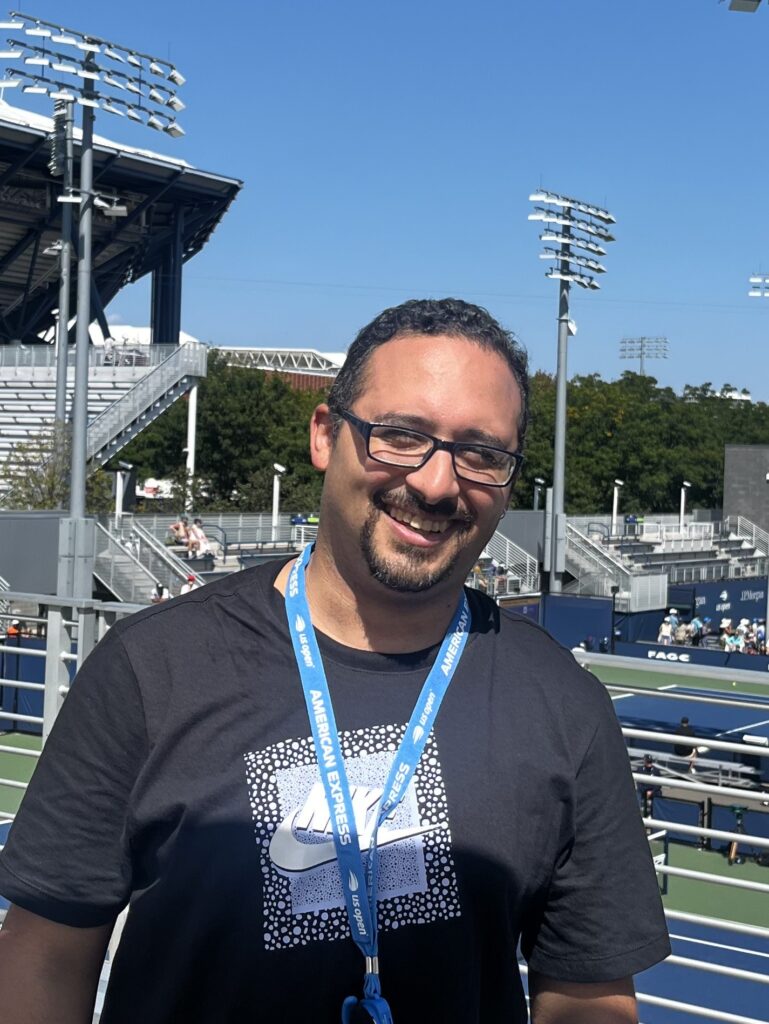 Brandon Passarelli is the senior tennis professional at Nassau Indoor Tennis Center. As an experienced PTR certified tennis professional and strength and conditioning coach, he has dedicated nearly 20 years to the sport in various clubs throughout New York City and Long Island. His passion for tennis has driven me to work with Competitive juniors and adults of all ages and levels, helping them develop their skills and achieve their goals.
 Jay Pinho is the Head Professional of 10U and High-Performance at the USTA Billie Jean King National Tennis Center. He is a USPTA Elite Professional, a former NCAA DI coach and player, and has specialized in developing competitive junior players over the past decade. Currently, he is the private coach of three national champions and a WTA touring pro.
 Michelle Stoerback is the Adult Tennis Director at Sportime Kings Park. Her infectious personality and dedication to her players and students has made her a favorite amongst adult tennis circles on Long Island, and Stoerback is one of the most reputable and hard-working tournament directors in the Region.
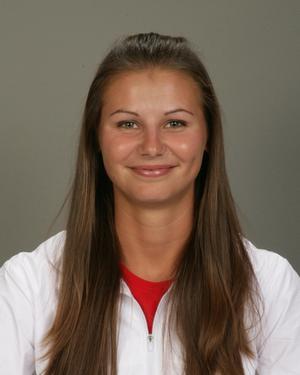 Alina Volman is the Director of Racquet Sports at Pine Hollow Club. She was a standout tennis player at the University of South Alabama, and she now takes all of her experiences as a player and coach in her role as the director of racquet sports, helping coach and running club events.
 Jason Wass is the Director of Summer Programs at LuHi, a position he’s held since 2020. Wass also serves on the USTA Eastern Long Island Regional Council, and has been a tennis and camp director here on Long Island for more than a decade.
How do you find the right balance between training and rest/recovery for junior tennis players?
Carmo: Tennis is a year-round sport with no time off. That’s why it is so important to learn how to rest and recover physically and mentally. It is essential to warm up before practices and matches. It is of utmost importance is to stretch after practices and matches. Cold tubs are also another way to help with muscle recovery. It is also important to have hobbies and enjoy other things besides tennis. When you do other activities besides tennis, you reset your energy and return to the courts even stronger. Make sure to find other things that you enjoy doing outside the tennis court.
Lewit: It’s important to push hard to achieve greatness but also know when to take recovery time. Typically my top national kids will train six days week with one day off and 2-3 tournaments a month. That schedule could be just a couple hours per day if the kid is in regular school up to 15 hours per week, or if the child is homeschooling, training could be 20-30 hours per week. It’s important to discern whether a kid is overtraining or under-recovered. Most kids are in the latter category. You don’t want to take too many days off per year because it can hurt momentum; but you don’t want to burn your player out mentally or physically either. It can be a tricky balancing act for parents and coaches. You have to carefully monitor your player at all times and make continual adjustments.
Pinho: This can vary greatly based on the player’s age and goals, as well as the time of the year. For example, young players should alternate sports throughout the week and use the benefits that each sport has as a way to develop their overall athletic abilities. Given sports can vary quite a bit, a player will rest some areas of the body when off from tennis, and work on other areas when playing other sports. For more competitive players, that play tennis only, it’s important to have a balance between academics, tennis, and social life. This includes having at least one day a week off from any training, having periods off throughout the year as a total rest, such as short family vacations, and an appropriate tournament scheduling; which will include specific training blocks and weekends off.
Mental health is an important topic that has been brought to the forefront of athletics recently. How often and how do you engage your players on their mental well-being, both on and off the court?
Gaudio: Engaging players on their mental well-being happens everyday. I look at every opportunity with a player, on or off the court as one to improve their mental health. Showing you care as a coach through your actions and words is important for establishing relationships with your players where you can be a positive influence. Being positive, enthusiastic, and encouraging to your players and creating an environment on the court that is fun, supportive and energetic is important for their mental health and their enjoyment of the sport.
Ma: To me, I attempt to instill the theories, attitudes from positive psychology and other psychological literatures to the players I work with in order to help them be more intrinsically motivated, believing in the value of internal focus of control. I do my best to be more encouraging and positive to the players and hope they can always make the most in any given situation. In fact, I published a few mental health academic papers and the most recent one was last year in August, the topic is about how resilience can help people to thrive from anxiety and depression.
Montesi: It’s all about health and wellness. Communication is key and not only with the students but also with the parents/guardians. Creating a safe place at practice, that is judgment free and caring for each individual, allows students and coaches to feel comfortable about sharing their feelings. It is extremely important to understand what’s going on in our student’s life to properly coach them. I regularly talk to my students and parents before or after practice.
Passarelli: It is very important for us as tennis coaches to engage with our players regularly on this topic, both on and off the tennis court. Having open communication by creating a safe and supportive environment where our players feel comfortable discussing their mental well-being. Regular one-on-one discussions can help us understand any challenges they may be facing. Being active listeners with our players as well as paying attention to their emotions and body language and in my opinion the most important which is to encourage self-care.
Gamesmanship and cheating are always controversial topics at the junior level. How do we begin to try and eliminate those sorts of things from the game?
Gaudio: It starts with the values that are instilled within the player within their family and on the court with their coaches. Cheating and gamesmanship are always going to be a part of the sport and while there may be rules, umpires and technology that can mitigate it, the core of the matter is what is intrinsic to the player. As coaches, we should emphasize values like sportsmanship, respect, and humility so that our players have great character, not just great tennis skills. The more players out there with great character, the less cheating and gamesmanship there will be.
Nisenson: Tennis is the only youth sport that is officiated by the players. At young ages players can feel internal, parental, and coaching pressures that can create that win at all costs mentality which can turn into cheating. We are trying to get more kids involved in the sport of tennis but a bad experience unfortunately can be a deterrent to new players and they may choose another sport to play. When I was in high school I officiated youth sports as a job. Why doesn’t the USTA hire high school age kids to be on the courts to alleviate this problem? I’m not saying they should officiate the whole match but having someone on court through the match to help on disputes would definitely help these situations.
Passarelli: I believe we can start eliminating all of this by first, establishing a strong ethical foundation within the sport. This begins by educating young players about the importance of fair play, integrity and sportsmanship. We also need to encourage our professional players and coaches to serve as positive role models for our juniors by showcasing the right way to play and approach the game. Our juniors look up to these athletes and if they do it, our juniors will follow that trend. Let’s encourage players to speak up and express their concerns and receive guidance when needed. Lastly, we should involve the parents by engaging them in the education process so that they can help us develop great sportsmanship values with the next generation of talent.
Stoerback: To reduce gamesmanship and cheating in junior tennis, it’s essential to prioritize education on sportsmanship, instill a clear code of conduct, and lead by example. Coaches, parents, and authorities should emphasize the importance of honesty and integrity over winning. Clear rules and consistent enforcement are crucial, while character development programs can instill values like respect and responsibility. Positive reinforcement for good sportsmanship will motivate junior players to uphold ethical standards. Creating this culture will help maintain the integrity of the game and allow young athletes to develop not just as players but as individuals with strong moral values.
What is the current state of tennis on Long Island? How do we continue growing and improving?
Lee: Tennis on Long Island has been growing every year. I believe it is important for the current pro’s to continue their education and learning to provide the best knowledge for players. On top of that, more trained professionals are needed to keep the players engaged in lessons, groups, adult or junior clinics and tournaments. This can provide players with new ideas and different methods and philosophies to the game.
Ma: I think the tennis environment on Long Island is good and many tennis venues are doing well! But perhaps we can invest in a few things that may help to grow the sport. We could continually bring in more high level players (including international kids) to train here on Long Island or bring some professional tennis tournaments here in order to showcase our facilities, passions and abilities to govern/grow the industry of tennis. So more kids can witness firsthand the passion for the game from many good players and role models.
Marks: I think again, as I have said for the past few years, tennis is booming. I see it at the parks, the high schools and the clubs all around…courts are full! I often take a walk around local parks with our daughter and there was a lot of tennis being played which is a great sign! Our courts are filled at Carefree with a large junior and adult development program and leagues are as busy as ever. All these are great signs for tennis! We definitely have to keep offerings fresh and accessible to compete with the other racquet sports that are also rapidly growing in the area such as pickleball and padel but we are not seeing a drop off in our tennis participation which is great.
Wass: Tennis on Long Island seems to be booming. Courts are full on private and public courts alike. With the colder weather around the corner though, are there opportunities for casual players to keep playing the game while indoors? For some, sure; for others, maybe not. Like anything, it is important to keep the current players happy and playing while also continuing to introduce tennis to new players in grassroots ways. Making tennis more accessible to lower income areas and in places where tennis is not as popular. In addition, I would like to see a more developmental approach to middle school and JV tennis teams; there are many more players playing school tennis compared to those playing tournament level tennis.
Where do you stand on players overly celebrating points/being animated and showing emotions during matches?
Becker: I’ve got no problem with somebody showing emotion at the proper time during a match. I have even less of a problem when players I’m coaching against overly celebrate early in a match, off of an error or on points that aren’t particularly important. This shows me that they are lacking inner confidence and are getting fired up unnecessarily because they know they might lose.
Kaplan: There is no reason to provide more motivation or information to your opponent by demonstrating negative emotions or by celebrating in a disrespectful manner. While discrete displays of positive emotion can be helpful and motivating , negative displays of emotion can alter how we feel because behavior influences emotion often as much as emotions influence behaviors.
Ma: I always encourage players to celebrate/show positive enforcement like firmly expressing “COME ON, LET’S GO” and with positive physical postures such as a strong fist pump . But I don’t like “overly” because it is not TOO sportsmanlike and is not classy. I prefer showing more positive emotions but if the kids are not playing well and get frustrated, I will suggest they could quickly, firmly snap their tights, or yell “let’s go” or “right now” to bring back the focus on the present moment and planning for the next point.
Marks: I think it all depends on the situation and the environment you are in. In team tennis I think it is much more acceptable, but I still think there are respectful and disrespectful ways of celebrating. In college I will admit I often wasn’t thinking about anything but my team and our goal when playing my matches, just like my opponents were too, and that would come across at times as being overly animated, but such was the environment. Players at times are expected to be these emotionless robots and are targeted when they show any kind of joy/anger/frustration which is perhaps not great for our sports survival. We want to be entertained and connect with the stars of our sport, and players wearing their emotions on their sleeves helps us to make those connections.
What do you find most rewarding about being a tennis coach?
Krass: I find tennis coaching very rewarding in these areas: Being able to help a player learn more about the game of tennis and also in the game of life. AND being able to give my energy of life to players through my sheer enthusiasm for them as people and players!
Montesi: Coaching is extremely rewarding. You get to help, develop, teach and educate a student. I still admire many of my coaches growing up. They were great role models and taught me more than just tennis. I love to be in the position where I can impact someone and truly help them with the sport. I’ve become good friends with my students, seeing them grow and become adults has been fulfilling.
Volman: The most rewarding aspect of being a tennis coach is witnessing the growth of my students from their 1st step on the tennis court. It’s fulfilling to see them develop their skills, gain confidence, and achieve their goals on the court. Building strong relationships and sharing my passion for the sport also brings me great satisfaction.
There has been a surge in popularity of other racquet sports in recent years. What are the pros and cons of how this affects tennis?
Becker: I think it’s great for the public that they are finding other racquet sports which have their distinct advantages. I also think it’s good for some tennis pros who want to pivot and pick up additional lessons as well as tennis clubs who can make more money converting courts to pickleball. It’s also good for the tennis apparel industry. Overall though between the noise of hitting a wiffleball, tennis courts being converted to pickleball courts, and some tennis players leaving for pickleball, I do think it’s a negative for tennis.
Nisenson: As long as people have racquets in their hands and staying active I think that is a positive thing. I think tennis clubs have to be flexible for the benefits of the business like putting down the pickleball lines like we did at Point Set. The tennis players need to get used to some more noise but I think that’s the way now. The pickleball boom makes sense to me tennis is a difficult sport to play whereas pickle anyone can jump in and start to play.
Stoerback: The surge in popularity of other racquet sports has both positive and negative effects on tennis. On the positive side, it can raise awareness, introduce fresh talent, stimulate innovation, and enhance competition. However, it also poses challenges by competing for players, potentially reallocating resources, influencing player demographics, and sparking resistance to change within the traditional tennis community. Tennis must adapt while preserving its core values to thrive amidst these dynamics, benefitting from the exposure and opportunities while addressing the competition and evolving landscape head-on.
Volman: The surge in popularity of other racquet sports can introduce healthy competition and encourage innovation in tennis, from equipment and coaching techniques to events and tournament play. However, it may also lead to a smaller talent pool and competition for participants, potentially affecting tennis’s growth and resources. Tennis must adapt to these changes to thrive in this evolving landscape.
What fundamental beliefs about tennis technique have you questioned or changed over time?
Kaplan: 1: The wrist does not snap. It extends and reduces to a fixed position through contact. 2: We don’t bend our knees, we hinge our hips. 3: The ball does not always go where we point the racket and in the direction we swing because of physical forces like friction. 4: We should not always swing “low to high.” Most balls are struck at a diagonal and high balls are often hit “high to low.” 5: Balance is zero acceleration. The goal of a hit is to momentarily lose racket balance by accelerating and to regain body balance with stability and smooth movement. 6: The goal of a swing is not extension, it is momentary velocity and acceleration at impact.
Krass: About 33 years ago, I questioned if the traditional serving motion– the full backswing down, around and back– was the best and most efficient way to serve? My answer came in 1990 when I produced a video called the Biomechanically Efficient Serving Technique, aka B.E.S.T SERVE. I am credited, by many in the Tennis Industry, as being the innovator of the ABBREVIATED SERVE that Andy Roddick and others use to their advantage!
Lewit: As a technician, I think about this a lot. There are many areas of technique that have changed. First, groundstrokes need to be more elastic and players can load and explode—leaving the ground and going airborne. Second, topspin is a huge part of the modern technical game. Third, open stances are the norm now. Fourth, jumping on the serve is standard. Fifth—follow-throughs on the forehand are typically no longer around the neck and more wrist is involved in the swing. All these areas were technical taboos in the past. Unfortunately many coaches still teach old-school technique and still see these areas as taboo—which is crazy!
Wass: Tennis is always evolving, and yes, there have been some significant shifts in techniques. I would say the way we deliver technical instruction is what has adjusted the most in recent years. Not long ago many techniques were delivered with a one size fits all approach. Today’s athlete needs to understand why technical aspects of their game are important and how skills fit into their style of play, body type, etc. Constant feedback from the player is required to deliver techniques properly. Reflective practices are necessary tool for coaches to use in making adjustments to any player.
What is something you think you can improve on as a coach?
Carmo: I am always looking for ways to improve as a tennis coach. Coaching is an art and there is not only one way of doing it. Players learn in different ways and players need different perspectives. I learn from other coaches and players daily. I still need to improve and observe in players how much they need to be pushed and how far I can push them mentally.
Pinho: To maintain the same level of enthusiasm when working with groups or a demographic that I normally don’t work with. As I value the personal connection that is developed with the players that I work with regularly, at times it can be more challenging to work on groups where there’s less of that.
Stoerback: When coaching adult players, I recognize the need to improve communication, individualize training plans, and set realistic goals tailored to their objectives and time constraints. Motivating them and helping with time management is vital. Additionally, focusing on mental resilience, stress management, and building confidence is important due to the potential pressures they may face. Guidance on nutrition, fitness, and recovery is valuable for overall well-being. Encouraging a lifelong love for the game and fostering a mindset of continuous improvement will help adult players enjoy their tennis journey and reach their goals, all while balancing the demands of adulthood.
Volman: As a coach, I try to continually work on enhancing my ability to tailor instruction to individual players’ needs. It’s crucial to recognize that every student is unique in terms of skill level, learning style, and goals. By refining my adaptability and communication skills, I can better serve each player’s development.
What advice would you give a former player who has desires to go into coaching?
Kaplan: Coaching is a passion and a business driven by soft skills so learn the personality, attitudes and habits of your targeted market to predict their behavior and what makes them tick. Don’t overestimate your strengths and underestimate your weaknesses. Use all your resources, opportunities don’t wait for you. As an entrepreneur get used to rejection and don’t rely on being told what to do. Finally be realistic and reliable. Being interested is better than being interesting, being respectful is better than being respected.
Lewit: Be humble. I have trained many young coaches. Sometimes a former player—if they were very good—think they know a lot because they played at a high level. While that does give them an edge, there is a still A LOT to learn about teaching and junior development. Be humble and seek out good mentors. Learn the art of coaching. Never rest on your laurels. Mentors, for me, are the most important key to becoming a great coach. Education is also crucial. Keep learning and try to get better every day!
Pinho: To invest in him/herself from an education perspective and gain knowledge and expertise from others who have been in the industry for a long time. Additionally, to ensure that they go into a club that can help them to develop a multitude of skills and support their continuing education efforts.
How do you feel about students who question you?
Lewit: Some coaches rule with an iron fist and discourage questioning. I have learned that questions from students reveal their thoughts and can help create trust and rapport between the coach and the student. The coach should answer in an intelligent way and explain himself or herself. The student will appreciate the honest response and this will build trust in the relationship. I try to listen carefully to the concerns of my students and answer them as honestly as I can and to the best of my ability. If a coach doesn’t want to answer questions, I think that’s a red flag for any player or parent.
Marks: As long as it’s done respectfully I actively encourage questions! It makes me a better coach and holds me accountable. I don’t want players to just blindly go along with everything I say and ask. I want them to think for themselves and challenge things that don’t make sense or they don’t understand. Healthy conversation is a great thing and we can all learn a lot from each other whether you are the coach or the student.
Montesi: I like having good open communication with my students, they should feel comfortable asking questions. If they question the next exercise or routine as a coach I have to take the time to reinforce the benefits of it and I do enjoy explaining further the reasons behind any activity. There always has to be mutual respect between coaches and students
Can and should junior players have more than one coach?
Lee: The game isn’t played one way, and each coach brings something different to the game. The key is communication, so each coach can focus on their own area of expertise.
Wass: This is definitely a case-by-case basis. At different phases of development different areas may need to be addressed, expecting one person to have all the answers is often unrealistic. However, many players do benefit from one voice relaying the message, a voice they trust. The best advice I can give is to make sure that your “team”, which includes parents, coaches and player have a plan and are able to understand the responsibility of each person on the “team”.
Who do you look at on the pro tour currently as a role model for your students? Why?
Carmo: I know that Novak Djokovic is not everyone’s favorite player. But we need to respect and learn from him. His flexibility, his technique, his enthusiasm to compete after all these years and most importantly, his mental strength makes Novak a role model for other students.
Gaudio: Carlos Alcaraz, because of both his character and his playing style. He shows respect and sportsmanship to his opponents, is gracious to the praise he receives and remains humble about his ability and achievements. He has a fighting spirit that is evident in the way he perseveres in his matches. These are all character traits that a tennis player should follow. His all court game and all around skill set are also a great model for junior players. He combines great defense with great offense. He has a wide variety of shots and tactics he can use and knows when to use them.
Krass: Role models, on the Men’s tour for my students, could be Carlos Alcaraz, for his all-court, versatile Singles game, Max Cressy for his relentless serve-and-volley Singles game and American Davis Cuppers, Austin Krajicek and Rajeev Ram, for their relentless commitment to Serve-and-Volley Doubles play. On the Women’s Side, I like Iga Swiatek for her pursuit of greatness through her disciplined shot selection, shot placement and net play!
Nisenson: There are many young players on tour that I like but I still have to go with Rafa Nadal when it comes to a role model for young players. I have a tremendous amount of respect for his humility, competitive spirit, work ethic, on court behavior and his no excuse attitude. I am hoping he can get back out on court for one more run!!! Vamos Rafa.
Passarelli: Rafael Nadal is the player I use as the role model and example for my student athletes. He is an exceptional player with a strong work ethic and his determination is unmatched. He displays sportsmanship both on and off the court and he possesses remarkable mental strength and resilience. He maintains a positive attitude in the face of defeat, and he never gives up which are all qualities that we instill and demand from our players. He treats everyone with respect and kindness and with the topics discussed in these questions, Rafael Nadal for me will always be the example on my court.
How will the continued development of AI change the coaching landscape as we goforward?
Becker: AI, in general, stinks. Can we just be content being humans? But in all seriousness, I’m sure players and coaches will depend on it for technique more and more and strategically with data at the higher levels as well.
Kaplan: AI is going to continue to infiltrate tennis coaching in the very near future and it has the potential to be a great help to how effectively coaches can elevate students. The key is recognizing that it is a collaborative tool, not a substitute for knowledge , experience and understanding of the sport. As with all tools it can be used to serve us and AI can provide an enormous amount of information and analytics to give us greater insight. It also has the potential for abuse and can dumb us down with laziness, complacency, misinformation and a sense of false competence . Coaching should exercise caution with AI because it is so powerful and with great power comes great responsibility.
Lee: The continued development of AI will help coaches and programs to better understand their clients needs by analyzing date on their clients performance. AI will help coaches to personalize their own coaching to meet each individuals needs.