2025 Junior Tennis Roundtable

There is often a lot of discussion between coaches, parents and experts when it comes to junior and high school tennis. Long Island Tennis Magazine brought together junior tennis players themselves to find out how they feel and their thoughts on tennis here on Long Island.
The participants…
 Eric Benderly, Senior, Commack
 Callie Bornstein, Junior, Hills East
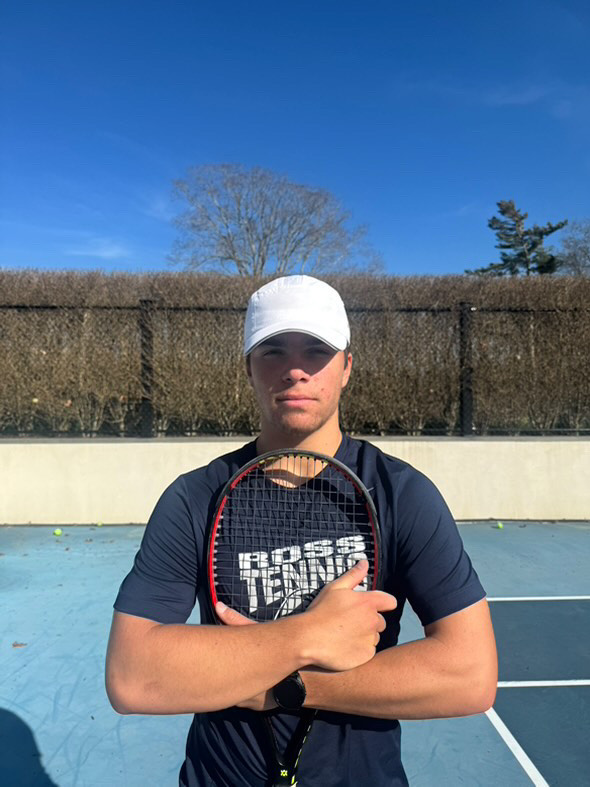 Leo Carmo, Freshman, Ross School
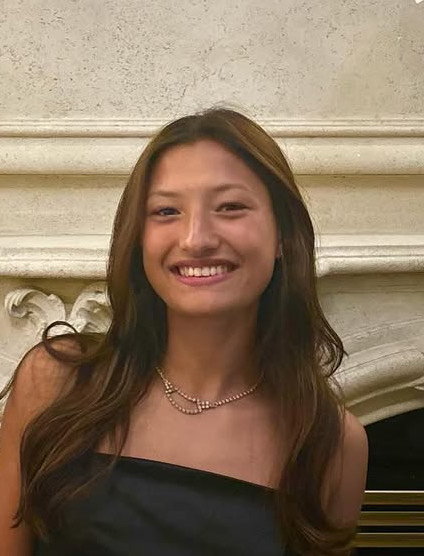 Aya Deckman, Sophomore, Harborfields
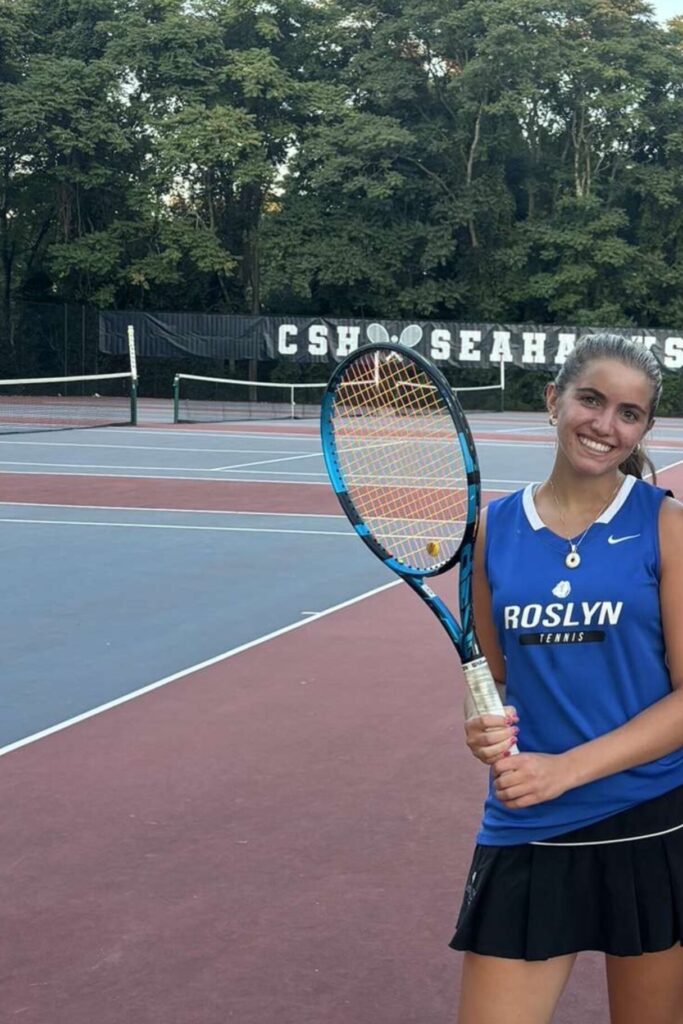 Olivia Erenburg, Junior, Roslyn
 Jenna Famolari, Sophomore, St. Anthony’s
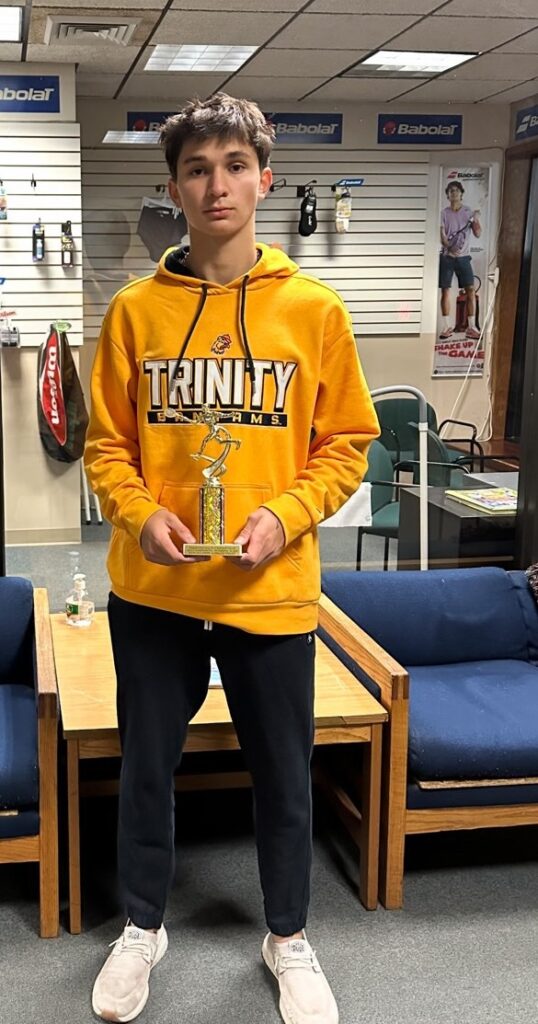 Max Golubenko, Senior, Manhasset
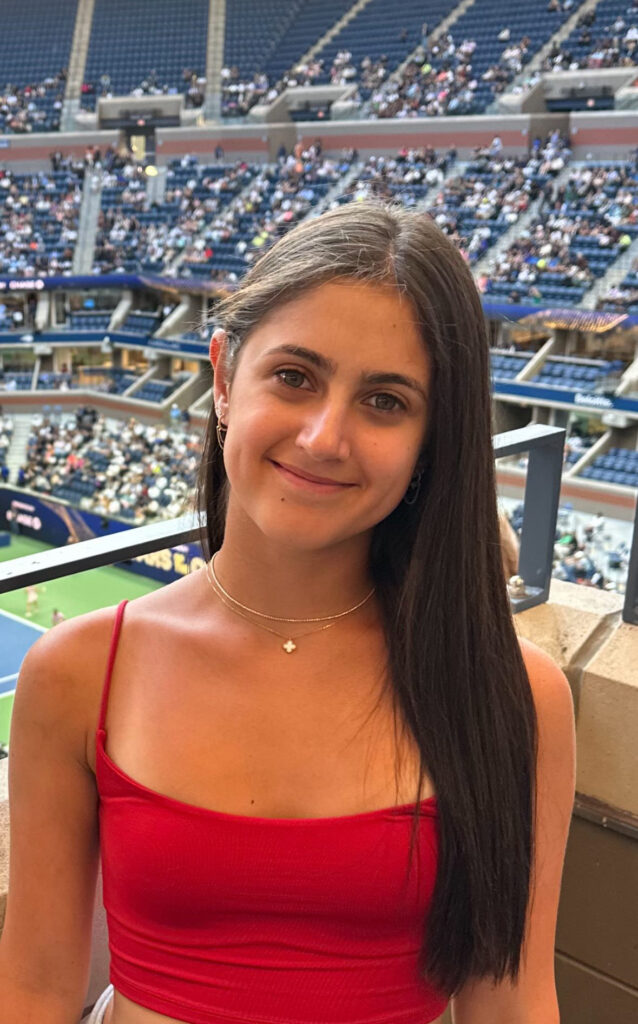 Chloe Gross, Sophomore, Roslyn
 Julia Isham, Junior, Syosset
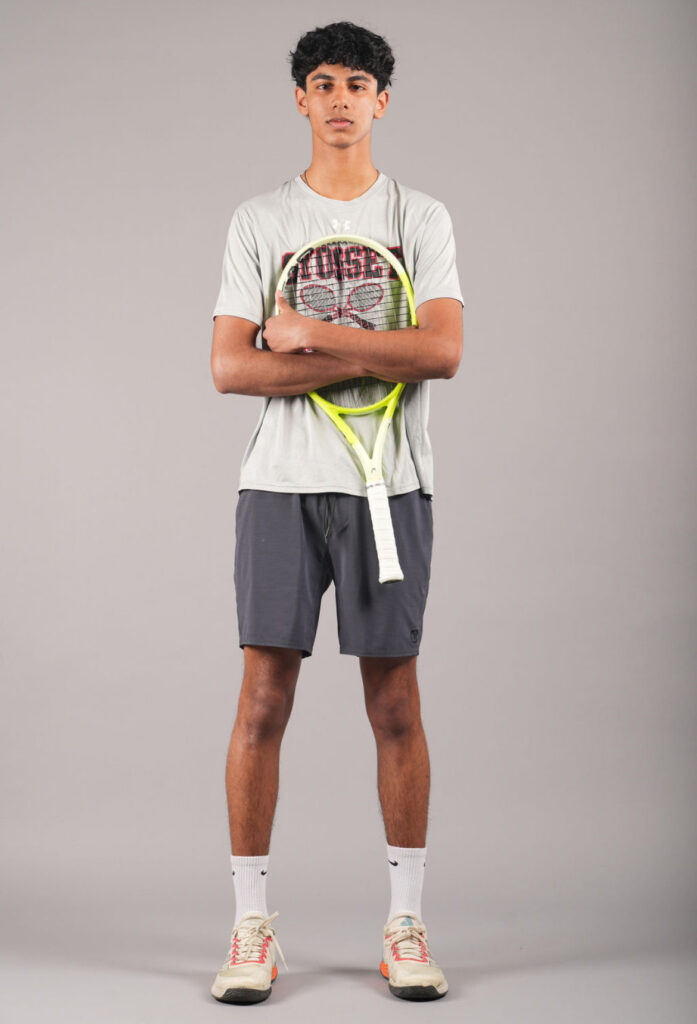 Aayan Mehta, Junior, Syosset
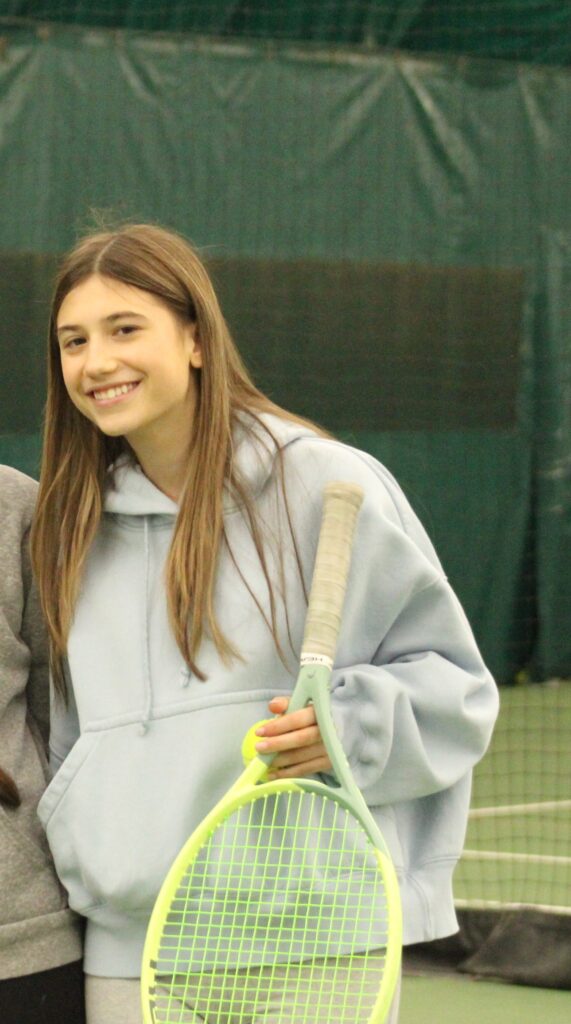 Ruby Siskind, Sophomore, Port Washington
What do you enjoy most about playing high school tennis compared to junior tournaments?
Deckman: I enjoy playing on a team with my friends and being able to compete against other people. The only thing I dislike is the feeling after losing.
Famolari: The aspect that I enjoy most about playing high school tennis is the team atmosphere. Competing on a team with my friends and being able to support each other really lifts us up during matches and motivates us to play our best. I also love coming off the court, knowing whether I won or lost, that my teammates are going to be there for me.
How do you handle disappointment after a loss?
Deckman: I handle disappointment by understanding that we all have off days and it just motivates me to do better.
Erenburg: After a loss, I give myself a moment to feel disappointed, but I don’t dwell on it for long. I try to break down what went wrong and what I can improve for next time. It motivates me to work harder and come back stronger in the next match.
Golubenko: I usually handle disappointments after a loss by trying to keep a positive mentality, and always trying to improve. I try to come to practice the next day and have a set goal of what I want to do and improve on. Also, when I have a bad match, it sometimes motivates me to play another match and learn from my mistakes.
How do you feel about the rise of pickleball? Do you play at all, and/or do you see yourself transitioning into the sport?
Deckman: I have never really played pickleball but I usually only see older people play it.
Famolari: As for my opinion on pickleball, it is definitely growing fast, and it has given more people the opportunity to get into racquet sports. I’ve tried it for fun, but most kids I know still stick with tennis as their main focus.
What do you think can be done to improve the junior tournament experience?
Famolari: One thing that I think can be done to improve the junior tournament experience is having more local tournaments take place. Since most junior tournament players cannot drive, it takes up a lot of time on the parent’s schedules to drive 45 minutes for what is sometimes only one to two matches a day.
Gross: I think to improve junior tennis tournament experience there should be more line judges at tournaments, and an app to get quick responses from tournament directors.
What are some of the challenges of competing for your high school team while balancing other obligations i.e. private training/tournaments, school work, social life, etc.?
Bornstein: Balancing high school tennis with other commitments can be challenging, causing interference with school work, private lessons, and extracurricular activities. All of these obligations, in addition to being on my high school team, require careful planning and prioritization. However, having a strong support system from my coaches, teammates, and family helps me balance my schedule and stay focused on my goals.
Erenburg: One of my biggest challenges is that my matches often don’t end until around 8 or 9:00 p.m. on school nights, which makes it really hard to catch up on homework and studying to get enough sleep. There is also never enough time for me to train and do clinics during the tennis season because my time is limited as I dedicate most of it to the team.
Isham: One of the most challenging parts of being a student-athlete for me has been time management. Since my freshman year, I have been lucky enough to play at the varsity level for both tennis and lacrosse. In the past three years, I have had to learn how to balance school work, practices, and games while also maintaining a social life. During tennis season, it becomes particularly challenging given the long length of matches due to the unpredictability of weather, court availability, and daylight hours. Many nights, the team doesn’t get home until close to 9pm after some away matches, making it difficult to complete 2-3 hours of homework while trying to get sufficient rest for the next day.
Siskind: Balancing tennis with school and other activities can be a challenge but also a great way to transition into the school year! Practices and games take up a lot of time, and since tennis is also a social sport it is fun, but can also distract from school work and social events. The season starts when school begins, so managing both tennis and schoolwork is tricky, especially with the pressure of staying in a positive attitude for your team!
How important is the team camaraderie to your enjoyment of high school tennis? Do you think more junior players should play high school tennis to gain that experience?
Bornstein: Team camaraderie is incredibly important to my enjoyment of high school tennis. Being part of a team provides support both on and off the court. The people on my team aren’t just teammates; they’re friends who encourage one another. We support each other through both wins and losses, helping each other grow as players and individuals. I definitely believe more junior players should play high school tennis to experience the value of teamwork, collaboration, and shared goals, which motivate us all to push each other to be better players.
Isham: The team camaraderie is extremely important to my enjoyment of high school tennis because I’m spending a large part of my day with my teammates. As a player on Syosset, we make it a point to have as much team-bonding as possible so we can form deeper connections on and off the court. Junior players are also able to become friends with upperclassmen who can help lead them through High School. As an underclassman, I looked up to the juniors and seniors as mentors to seek leadership and advice, so now as a junior I try my best to be like my past mentors. I believe that more junior players should play high school tennis because you learn important skills such as accountability, sportsmanship, leadership, time management, and flexibility when you are a part of any team. Most importantly, you gain a sense of community. Personally, I have made many friends that I wouldn’t have known if it weren’t for tennis.
Mehta: Team camaraderie is one of the best parts of high school tennis—it’s a totally different vibe from individual tournaments. In juniors, it’s all about your own results, but in high school, you’re playing for something bigger, cheering for teammates, and sharing wins and losses. That kind of environment builds friendships and mental toughness in a way that solo competition cannot. As a player on Syosset we look to build team connections which really helps especially during tougher matches when all the team members are rooting each other on. I think more junior players should experience it, even if they’re focused on USTA events. The team aspect teaches you how to handle pressure when others are counting on you, and it’s a nice break from the hyper-individualized grind of high-level juniors. Plus, it keeps tennis fun, which matters when burnout is a real issue that we see especially prevalent in today’s society.
Do you feel you need to emphasize off-court recovery and personal training? If so, what do you do for it?
Benderly: I think that personal training and wellness is very under looked for juniors. Post practice and match recovery helped me to stay healthy during the high school season when I’m playing every day. At a high level everyone’s tennis skill is similar and winning matches comes down to mental and physical fitness, and strength. Strength and agility training is very important and stretching after matches/practices is the best way to prevent getting injured.
Bornstein: Off-court recovery and personal training are essential parts of being a tennis player. Before and after matches, I always stretch with my team to help prevent injuries. Additionally, I strongly believe in the importance of the mental game of tennis. Before matches, I try to stay mentally sharp and go over my tennis notes from previous matches.
Carmo: Yes, I do feel players need to emphasize off- court recovery and I enjoy it. For myself I love to stretch for 15 minutes after practice. I also believe that rest plays a big factor in recovery. For personal training I do triathlons that include running, swimming and biking.
Gross: I feel that it is important to place emphasis on off court recovery and personal training. As an athlete I do a lot of cardio off court and stretch after practice.
What is one thing you wish parents/coaches understood better about you and your tennis experience?
Carmo: I have been very fortunate to have my father be my main coach. He has guided me with my tennis experience my whole life. He understands what it takes to compete and practice but also has a good balance being a coach and a father.
Golubenko: Something I wish parents and coaches understood more about junior tennis is how difficult it can be and how it can cause a lot of stress. Especially parents who don’t play tennis themselves can have a hard time understanding and more of a “just win” mentality rather than actually enjoying the sport.
Do you think high school matches should count towards your UTR? Why or why not?
Gross: I think UTR should count for high school tennis. I think this because the top players are more apt to do it knowing it can help boost their UTR, and by doing this it helps keep high school tennis competitive.
Mehta: I think high school matches should definitely count towards your UTR. High school tennis is competitive and adds pressure—playing for your team and school can reveal how a player performs in clutch situations, which UTR should reflect. Many players also rely on high school matches as their primary competition meaning they are unable to compete in other UTR altering events for other reasons such as cost, injuries, and more. Excluding high school matches from UTR may not be fair to players who don’t have the resources to compete in other UTR altering events.
How rampant is cheating/hooking at junior tennis tournaments? What do you think can be done to help put an end to it or at least slow it down?
Carmo: I think cheating plays a big role at junior tournaments especially at a younger age. I think cheating is a part of the sport that will always be apparent but it is helpful to have an Umpire present during matches. I think that the junior players should be honest and respectful. That is another factor that comes into play.
Siskind: Cheating can happen during matches, which makes it harder to trust the results. Having line judges would help reduce these issues and ensure the matches are fair. Encouraging sportsmanship and having strict penalties for dishonest behavior can discourage players from cheating and help create a more honest tennis environment!
Having the U.S. Open in our backyard is such a unique part of our community. How do you take advantage of having the Open so close to here?
Golubenko: I definitely try to come out to the U.S. Open. I’ve gone every single year since I was around five-years-old and it’s a great experience to watch professionals play and watch what they do and how they are so good.
Mehta: Having the U.S. Open so close is an incredible opportunity—it’s not just about watching matches. Many of my friends have taken the opportunity to actually be a ballperson which gives you an up-close look at how pros prepare and compete. Personally, I try to go early in the tournament to see qualifiers or practice sessions, where you can watch players for free during fan week. It’s also a great way to connect with fellow team members and last year, me and a few of my teammates and alumni went to watch.
Siskind: I take advantage of the U.S. Open being so close by going with my either my friends or my dad as much as I can. We enjoy watching the matches together, and it’s really cool that we don’t have to travel far to experience such a big event. It’s a special opportunity for fans and players in the community to be part of something this exciting.
Do you feel you will continue with tennis after high school? In college or thereafter, what does your tennis future look like?
Erenburg: I definitely want to continue playing tennis after high school, whether it’s club or intramural. Tennis is something that means a lot to me and I plan to play as long as I am able too. As well, after developing so many years worth of skills and experience, it is something that I never want to lose.
Isham: I do feel that I will continue playing tennis after high school. While I’m not planning on playing at the collegiate level, I would like to stay active and continue to play through an intramural club team. Tennis is a great lifelong sport to stay healthy, active, and stay socially interactive so I plan to continue to play for many more years.
What role do you think LI Tennis Magazine plays in the local community? How influential is the publication and what do players your age like the most about it?
Carmo: I think that Long Island Tennis Magazine plays a big role for high school tennis players. The posts and match information and updates are always very helpful. It is influential because it’s not only a magazine, the Instagram is fitting for players my age and I love it.
Golubenko: I think that the magazine plays a big role in the local community. I think most people my age use it to check updates on high school tennis matches and results.
Gross: I think Long Island Tennis Magazine helps other tennis players stay in the loop and keep up to see who is winning the big tournaments. It is motivational to other tennis players to work hard and strive to win. I also think reading about high school tennis is entertaining for most people.
Isham: Long Island Tennis Magazine plays an important role in connecting the LI tennis community and highlighting local programs and events for players at all ages and levels. I think high school players appreciate the many articles, team photos, and player interviews during their seasons. They help connect the community through celebrated achievements and milestones and the interviews are a great way to hear other players’ perspectives.