2025 Long Island Coaches Roundtable
The local tennis community boasts some of the top coaches in the world, and with this wealth of talent available, Long Island Tennis Magazine took the opportunity to pick the brains of some of these coaches.
These coaches share their thoughts on a wide variety of tennis topics and issues, ranging from junior tennis to the professional game.
Meet the participants….
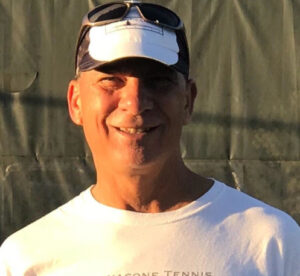 Steve Annacone, USPTA Elite Pro, is the Director of Annacone Tennis, and MyHamptonsPro throughout the Hamptons, NY. Steve, Jeevaj Bondalapati, and Gill Gross run the TOP (Tennis Optimization Players-Top Team) program at the Tucson Jewish Community Center (Tucson, AZ) for high level players ages 8-18.
 Ricky Becker is The Director of Tennis at the Glen Oaks Club. He also coaches high- performance juniors throughout the year and has been the Director of Tennis at three of Long Island’s biggest junior programs. As a player, Becker was the Most Valuable Player for the 1996 NCAA Championship Stanford Tennis team and ranked in the top-five nationally as a junior.
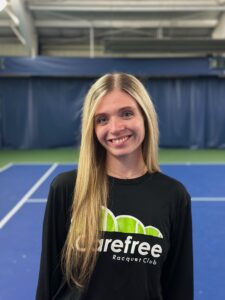
Kristen Cassidy is the General Manager of Carefree Racquet Club, where she previously served as the League’s Director and 10-and-Under Camp Director. She played collegiately at Moravian University in Pennsylvania, where she was the team captain in her junior and senior seasons. In addition to her role at Carefree, Cassidy is the Assistant Coach for the Men’s and Women’s Tennis teams at Farmingdale State College.
 Adrian Chirici is a teaching professional at the Robbie Wagner’s Tournament Training Center. Chirici is a two-time USTA Coach of the Year, and is also a former USPTA National Touring Coach of the Year. He played collegiately at Fairleigh Dickinson University, and has been ranked number one in the Men’s 35-45 Age Group as a player.
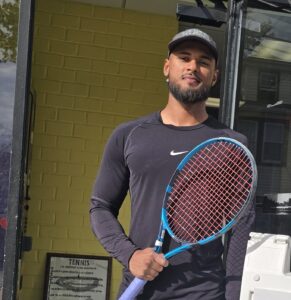 Tawhid Choudhury is a tennis professional at the Nassau Tennis & Sports Center. He grew up playing in different programs in New York City, while competing in national and international ITF tournaments, before going on to play college tennis at Asa College in Miami.
 Dale Evans is the Director of Tennis Operations at the Billie Jean King National Tennis Center. Originally from Oakland, CA, he is a 2-time tennis industry national award winner and 2-time national coaching champion who has spoken at several conferences and USPTA World Conferences. After playing collegiate tennis at Jackson State University (MS), he has spent an extensive amount of time coaching players and leading high-performing teams throughout the tennis industry. He holds a B.S. in Management and M.S. in Sports Management and certifications from USPTA, PTR, Academia De Sanchez-Casal, and IPTPA.
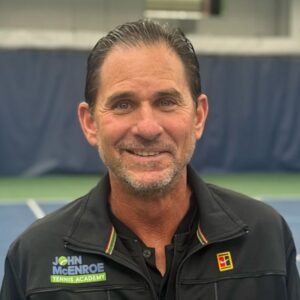 Ken Feuer is the Associate Director at the John McEnroe Tennis Academy Long Island. He played for the University of Nebraska where he Won Big 8 titles in both #4 singles and #1 doubles. Ken is also the former head pro and interim tennis director at Shelter Rock Tennis and Country Club in Manhasset, NY. After serving as Vice President in his family business for several years in New Orleans, he relocated to Scottsdale, Arizona where he formed his own academy working with adults, ATP/WTA players and high performance juniors. Ken joined JMTA Long Island as Director of Player Development the summer of 2019.
 Steve Kaplan is the owner and managing director of Bethpage Park Tennis Center, as well as director emeritus of Lacoste Academy for New York City Parks Foundation, executive director and founder of Serve & Return Inc and co-director of The City Classic Junior Tennis Academy. Steve has coached more than 1,100 nationally- ranked junior players, 16 New York State high school champions, two NCAA Division 1 Singles Champions, and numerous highly-ranked touring professionals. In 2017, Steve was awarded the Hy Zausner Lifetime Achievement Award by the USTA.
 Ed Krass coached the Harvard Women’s Tennis Team to four consecutive Ivy League titles from 1986-1990. Ed is the founder and director of the Annual College Tennis Exposure Camps, which are taught exclusively by all head college coaches for high school-aged players (15-18). Ed is also the founder of One-On-One Doubles tournaments, which have been played at USTA, ATP, ITA and USPTA national events.
 Salomon Levy is the Co-Director of Tennis at Christopher Morley Tennis. Levy is originally from Colombia where he served as coach and captain of the National teams. He attended the Wingate Institute for Sports Science in Israel, and has gone on to coach many players who have played at the national and collegiate levels.
 Chris Lewit is one of America’s leading high-performance tennis coaches and a global authority on Spanish training methods. Known as The Prodigy Maker, he has developed numerous elite juniors, including many #1 players in the nation. A former #1 at Cornell and pro tour competitor, Chris is the author of The Secrets of Spanish Tennis and Winning Pretty. He studied at Cornell, Harvard, and Columbia and is pursuing a PhD in kinesiology. Chris hosts The Prodigy Maker Tennis Show, runs a Vermont academy and online school, and is recognized worldwide for his technical expertise and inspiring coaching.
 Ben Marks is Director of Junior Tennis at Carefree Racquet Club, and Director of Tennis at Cold Spring Harbor Beach Club. He previously worked at the John McEnroe Tennis Academy. He played number one and number two singles for Norfolk State University, and number one doubles—reaching a career-high regional ranking of ninth in the Atlantic Region. He is a 2015 National Open Doubles Champion. In 2018, he was named USTA Long Island’s Tennis Professional of the Year.
 Reggie Moralejo is the Boys’ Program Director at the Evert Tennis Academy in Boca Raton, Florida where he has been a coach since 2011. He previously served as the Director of Junior Player Development for the Sociedad Sportiva Tennis Club, and a head coach at the Bollettieri Tennis Academy. He played collegiately at the University of Hawaii where he played number one singles and was an Academic All-American.
 David Nisenson is the director of junior development at Point Set Tennis. With more than 25 years of playing and coaching experience and an unmatched competitiveness, David has quickly become one of the driving forces behind Point Set’s junior development program.
 Mariona Perez is the U10 Tennis Director & Camp Director at SPORTIME Roslyn. A top-ranked junior tennis player from Spain, she began her collegiate career at the University of Pittsburgh in 2018, where she was named Women’s Tennis Newcomer of the Year before transferring to Louisiana Lafayette, earning All-Louisiana Honorable Mention in her first season. In 2020, Mariona transferred to Saint Louis University, where she played #2 singles and #1 doubles for the women’s tennis team, graduating from SLU with a bachelor’s degree in economics. In 2022, she earned a master’s degree in econometrics and quantitative economics at the University of Toledo.
 Tito Perez is the General Manager at Long Island Health & Racquet Setauket and Tennis Director at Game Set Match Tennis Academy. A native of Bolivia, Perez has been playing tennis for more than 40 years and coaching for more than 20, and is a mainstay in the LI tennis community. He served on the USTA Eastern Board of Directors, and is currently a USTA Long Island Committee Member.
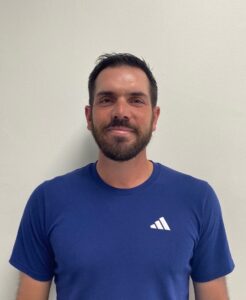 Dylan Roberts is a tennis teaching professional at Eastern Athletic Clubs in Blue Point. Roberts previously served as an assistant coach for the Hofstra University tennis teams, after a four-year collegiate career competing for Siena College.
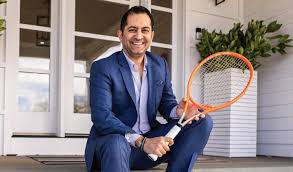 Parsa Samii is currently a Real Estate Salesperson for Compass, and competed on the ATP Tour after a decorated collegiate career at the University of Massachusetts at Amherst. He is a USPTA High Performance Coach who has trained a number of top-ranked sectional and nationally-ranked players.
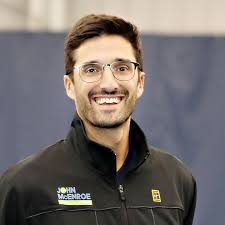 Ofir Solomon is the U10 Tennis Director and Adult Tennis Director for SPORTIME Port Washington/JMTA Long Island. played competitive tennis as a junior, achieving a top-20 ranking in the USTA Eastern Section and a top-150 ranking nationally. He attended John F. Kennedy High School, before playing collegiately at Fairfield University. He joined the JMTA team in 2017.
 Edoardo Tessaro is a tennis coach at the Ross School Tennis Center. Born and raised in Italy, he competed internationally before attending Virginia Tech where he helped lead the Hokies to their best ranking in program history. He graduated in 2016 with an MS in nutrition and exercise, and then played on the professional tour. He previously worked as a sparring partner for top 600 WTA Italian player Martina Colmegna, as well as coaching many top junior players there.
 Jason Wass is the Director of Summer Programs at LuHi, a position he’s held since 2020. Wass also serves on the USTA Eastern Long Island Regional Council, and has been a tennis and camp director here on Long Island for more than a decade.
Mental health is an important topic that has been brought to the forefront of athletics recently. How do you engage your players on their mental well-being, both on and off the court?
Kaplan: As a coach, I first recognize that while I can have a powerful impact on my student’s mental and emotional well being, I’m not a mental health professional and I must stay in my lane. As a result of this understanding, I stay grounded in assessing my students’ behaviors. So, I teach and reinforce positive behaviors like confident posture, movement patterns and racket management as well as positive gestures, self talk and interactions. Performance is not always fully controllable, but accountability to non-performance behaviors is not only attainable, but a priority for peak performance.
Marks: My approach and feeling on this is that I am there as another branch of my players support systems whether they are juniors or adults. I am there to listen and to give advice where desired and I feel I can help with my own experiences. I am not a trained psychologist obviously, so I try to just be there and check in to see how everything is going in their daily lives and provide what support I can.
Nisenson: Mental health plays a huge role in tennis because it’s such an individual and mentally demanding sport. I make a point to check in with my players regularly — not just about their training or matches, but about how they’re feeling overall. Before or after practice, I’ll have short one-on-one conversations to see how they’re doing academically, socially, and emotionally. I also dedicate time to developing mental strength things like managing pressure, staying composed after mistakes, and maintaining confidence. I encourage players to be open about what’s stressing them, whether it’s performance related or something outside tennis.
Tessaro: Supporting our players’ mental well-being is woven into everything we do, both on and off the court. Coaches check in regularly with athletes about how they’re feeling, balancing school and sport, and navigating the pressures that can come with competition. During training, we teach mental skills alongside physical ones: focus, composure, resilience, and reflection. Players learn strategies such as goal setting, visualization, and positive self-talk to strengthen their confidence and emotional awareness. After matches, we encourage reflection and growth over perfection, helping students turn their experience into a learning opportunity.
Gamesmanship and cheating are always controversial topics at the junior level. How do we begin to try and eliminate those sorts of things from the game?
Evans: I’m not sure the complete elimination of gamesmanship and cheating is possible, but working towards eradicating these two is definitely a national tennis community goal. In recent years, the most powerful tools have come in the form of electronic line calling and parental education. Utilizing Play Replay for electronic line calling here at the National Tennis Center was launched in last November’s Boys 12s Indoor Nationals. This was the first event in my career where zero line judges were requested, and the future lies in tools that promote coaches training players and support competitive integrity.
Feuer: Many players cheat because they feel a lot of pressure from their parents and don’t want to disappoint them and others do it to experience a win. However, this creates a false sense of security and creates a negative image for the player. As coaches, we need to educate both the parents and the players to not engage in this toxic behavior, which will tarnish their reputation. Junior players need to develop good on-court character traits that will benefit them as their game progresses through to college tennis recruiting.
Samii: We can reduce gamesmanship and cheating by increasing awareness around sportsmanship, responsibility, and personal growth. Teaching young players to handle adversity with composure helps them develop vital problem-solving skills—both on the tennis court and in life. When children learn to compete with integrity and focus on improvement rather than shortcuts, they build character that leads to long-term success.
What is the current state of tennis on Long Island? How do we continue growing and improving?
T. Perez: Tennis is doing very well and continues to grow in different ways across Long Island. However, I believe we still need to focus on creating more opportunities for kids, especially outside of the winter season. There are many high schools and public parks that currently don’t offer any tennis programs. As coaches, it’s our responsibility to take initiative and bring tennis to more areas in the community, and we can grow the sport by making it more accessible, affordable, and fun for young players year-round.
Samii: Tennis on Long Island competes with many other sports in a crowded athletic scene, but players from our area often emerge from a genuine passion for the game and the natural competitive instincts of native New Yorkers. To keep growing, we need to take advantage of having the US Open right in our backyard—using its energy, world-class facilities, and visibility to inspire kids to get involved in tennis. By combining that inspiration with strong coaching and accessible local programs, we can cultivate both talent and lifelong enthusiasm for the sport.
Solomon: Tennis on Long Island is at its greatest and it is only growing and expanding. As the Director of Under 10 and Adult tennis I get to see the game from all points of views and the feedback and interest in our sport is so positive. Tennis continues to grow as more and more people understand that it is a lifelong sport that can be played by anyone and for multiple different outlets. As long as we continue to bring excitement to our sport with fun drills, groups and offerings I can confidently say that tennis will continue to grow.
Where do you stand on players overly celebrating points/being animated and showing emotions during matches?
Annacone: My philosophy on celebration after playing a good point or hitting a great shot is that players should celebrate sparingly. If you are showing a huge amount of emotion every time you win a point, I believe the positive effects from that reaction will become minimal or completely disappear. I prefer the way that Pete Sampras and Roger Federer handled this. They tended to have a few isolated emotional celebrations at crucial times in a match, and this seemed to help them and show the opponent that they were going to be in big trouble from that point on.
Choudhury: I think showing emotion is part of what makes tennis exciting and relatable. As long as it’s done respectfully and doesn’t cross into disrespect or gamesmanship, passion on court adds energy and connects players to fans. The sport is evolving, and emotion—when channeled the right way—can actually elevate the level of competition.
Moralejo: I actually like seeing players show emotion. It brings energy to the game and shows how much they care. Tennis can be such a mental battle, and sometimes that release helps you stay fired up. That said, there’s a line between passion and disrespect. Celebrating a big point is fine, but if it becomes about showing up your opponent, it takes away from the spirit of the sport. The best players I’ve seen use emotion to lift themselves, not to tear the other person down.
M. Perez: I’ve always been a player who shows a lot of emotion on the court, so I actually enjoy seeing pros celebrate big points and express themselves. It brings passion and energy to the match. For example, when Carlos Alcaraz wins a huge point and lets out that big “vamos”, it feels real and exciting — it makes me fire up and cheer for him. Because of that, I definitely tend to support players who show emotion rather than those who stay completely neutral. Obviously, it’s not great when players take it the wrong way by insulting or disrespecting their opponent or the umpire. But overall, I prefer someone who stays real to who they are and shows emotion rather than a player who stays completely flat.
Samii: I believe showing emotion and celebrating points is a natural part of competition and can bring great energy to the game. However, it’s important that those emotions are expressed respectfully—without disrespecting opponents or crossing sportsmanship boundaries. Teaching players to balance passion with composure helps them compete with intensity while maintaining integrity and respect for the sport.
What do you find most rewarding about being a tennis coach?
Krass: I find that being a tennis coach has allowed me to feel proud of my positive impact on the players and coaches who attend my camps. Teaching players good values about being a good person first has been rewarding. Teaching players the technical, strategical and mental details, for match improvement, with enthusiasm and intensity, has been my style and I think this style has influenced players and coaches alike. My coaching has given me a higher sense of purpose and energy to players and coaches.
Levy: Being able to make a positive impact on my players’ lives. Tennis is a great vehicle to teach important values like perseverance, sportsmanship, and resilience. Knowing I can shape those values while helping players improve their game to the best they can be, makes my job deeply meaningful.
Lewit: Watching my players grow and seeing the results of their hard work. I love witnessing their steady improvement and the pride they feel when their effort pays off. Working with children brings me so much joy — their energy, sense of humor, curiosity, and excitement make every practice session special. Tennis has always been a huge part of my life, and sharing that passion with others is deeply fulfilling. My happiest and most meaningful moments are always spent around the tennis court.
T. Perez: Having the opportunity to inspire others and positively impact their lives. It goes beyond teaching strokes and strategies — we help our players build values and life skills that benefit them not only on the court but in everyday life. Watching players grow in confidence, discipline, and character is incredibly fulfilling.
What advice would you give a former player who has desires to go into coaching?
Cassidy: I would encourage many former players to pursue collegiate coaching! It’s a great way to stay connected to a sport you’ve just poured most of your life into. My advice would be to do it early in your life and career; I’ve found a lot of my success in coaching in my ability to relate and connect to my players because I understand them, and not long ago, were them. You’ll learn quickly how it feels to be on the side on the court as the coach as opposed to playing, and spoiler alert: it’s much more stressful!
Evans: Jump in…the water is warm! All of us in the tennis industry are former players. Whether high school, college, or professional all of our stories began being fed balls and evolved into us feeding balls. The most important aspect of developing as a tennis coach begins with embracing mentors. Mentors that view tennis courts as their office, role models who exhibit leadership, and organizations such as USTA Coaching will give new coaches a foundation to succeed while learning the art of coaching.
Moralejo: The first thing I would say is: coaching is a completely different challenge from playing. You might’ve been a great player, but coaching is about helping someone else find their best version, not turning them into a copy of you. Be patient, listen a lot, and keep learning. Watch good coaches work, take courses, ask questions. And remember, players don’t just need technical tips, they need support, belief, and guidance, especially when things aren’t going well. That’s where a good coach really makes a difference
Roberts: When transitioning into coaching after being a former player, I think it’s pivotal to have plenty of patience and understand that the players you train are not “you”. Therefore, in order to reach their goals, you will consistently need to find different ways to get through to a player and figure out what their optimal learning style would be. Once you understand that each player is different you can properly train and improve the specific areas of their game.
Wass: Treat this decision seriously—coaching can be a meaningful and rewarding career path when approached with intention. In recent years, more formal educational pathways have emerged, such as Coaching Education degrees and advanced certifications, which can help you build a strong foundation. It’s important to learn not only what to coach, but how to coach. Being a great athlete provides valuable perspective, but success in coaching also requires mastering communication, leadership, professionalism, and relationship-building.
How do you feel about students who question you?
Chirici: I have no problem with it as long as it’s done in a respectful and non-combative way. When a student shows a genuine desire to understand the game better, it motivates me even more as a coach. It opens the door for better communication, mutual respect, and ultimately greater success as a team.
M. Perez: I actually enjoy when students question me. I don’t want them to just agree with everything I say — I want them to think, challenge ideas, and really understand why we’re doing something. My goal is for them to take the information I give, try it, and then talk with me about whether it makes sense or works for them. A player who simply says “yes” to everything usually doesn’t grow as much. Concepts are meant to be explored and challenged. I give you a point, you try it, maybe it doesn’t work, and then we work together to find the solution that fits you best.
Nisenson: I actually welcome it when students question me, it shows they’re thinking critically and want to understand why we do things a certain way. I want my players to take ownership of their learning, not just follow instructions blindly. When a player asks questions it opens the door for good discussion.
Solomon: I am a strong believer that all students should question their coaches. Our players and society in general are getting smarter and it’s so important for kids and adults to understand why they are being asked to do something. Players that understand why their coach is making an adjustment will be on board to try and maybe even fail a few times before it connects. Players that question are players that understand and players that understand are players that develop and have fun!
Do you see any trends in technique used by the top players that you now use in your teaching? Or any tendencies from today’s stars that you see junior players using?
Cassidy: Absolutely, I think especially on the men’s side for collegiate tennis, a lot of young players want to emulate what most of the pros do now – which is hitting the ball as hard as possible and remaining at the baseline. Apart from Alcaraz, who shows more nuance in his game than most in the top 50, the pros set somewhat of a predictable and unvaried example for aspiring collegiate players. I hope we, as coaches, are able to push them to develop more aspects of their tennis than they see on tv.
Chirici: The use of semi-western or moderate western grips forms the backbone of modern groundstroke teaching, allowing for a balanced blend of power and control. When combined with explosive movement to reach optimal striking positions, early preparation, and strong loading from the ground up, these principles enable players to maximize depth, power, spin, and recovery. The quality of ball striking in today’s game is exceptionally high, and this evolution has also contributed to the resurgence of a key tactical weapon: the drop shot.
Nisenson: The game has evolved a lot in recent years, and you can see clear trends in how today’s top players train and play especially in their movement, racket speed, and certain technical aspects. I’ve adapted my teaching to reflect that and I am always keeping my eye on these things.
Tessaro: The modern game demands explosive lower-body strength, balance, and quick recovery, so we emphasize building that athletic foundation from the start. Players learn to move with purpose, stay centered through each shot, and transition seamlessly between points. One of the biggest technical shifts we’ve incorporated is in forehand preparation because today’s players tend to favor a more compact swing and semi-open stance, with earlier racquet preparation and shorter takebacks.
The U.S. Open raised ticket prices across the board this year, but also saw a record number of people attend the event. What do you think this indicates about tennis’ standing comparatively to other sports?
Annacone: Tennis has a long way to go to catch up to the NFL or NBA but it has definitely gained some popularity. The US Open attendance is crazy; every time I go, there are more people. I have to say that a lot of the spectators, especially at the evening sessions, do not seem to be avid tennis players. This is evidenced by their lack of following traditional etiquette. As far as the increase in ticket costs, I don’t see how that will stop. There are more and more people attending so the law of supply and demand pretty much guarantees this will continue in the future.
Choudhury: It shows that tennis is growing in cultural relevance and fan engagement. People aren’t just watching for the sport—they’re drawn to the atmosphere, the personalities, and the overall experience. Tennis is positioning itself closer to mainstream entertainment, which is a positive sign for its long-term growth and marketability.
Levy: The U.S. Open is increasingly viewed as not just a sporting event but a luxury entertainment experience, similar to major events like the Super Bowl, or F1 races. Tennis audiences tend to skew toward higher income bracket. People want to be part of moments and the U.S. Open has successfully marketed itself as one of those must-see experiences.
Roberts: Despite the rise in the ticket prices, I think people are enticed by the social aspects of the U.S. Open itself and all that comes with it. Regardless of the reasoning for attendance I think having people around the sport and showing interest towards tennis will always have its value. Events like the U.S. Open helps keep tennis in the spotlight for those few weeks and provides an electric atmosphere that people want to be a part of.
Would junior tennis benefit from having more team events and tournaments like other sports? Do you think the isolation/individualism of tennis can deter young players from playing?
Chirici: The pressures of training, traveling, and constant evaluation can lead to anxiety, reduced confidence, and isolation. Periodic team-format tournaments help address these challenges by fostering camaraderie and a shared sense of purpose. They also prepare players for the college tennis environment while reinvigorating their passion for the sport. By balancing individual competition with team experiences, young players can enjoy the mental and social benefits of both formats, reducing the emotional burden of solo play.
Feuer: I think there is a good balance of junior team events and tournaments currently taking place. While some players prefer the individualism of the sport, it is important for them to also understand the team sports aspect, so they are prepared when they compete on a team in high school and later in college. It also offers a good mix to take the pressure off from just playing individual tournaments.
Marks: I think team events and tournaments are always great, and my fondest memories from my tennis journey were our junior team events. We would train year round as a county team in preparation for the “County Cup”, and travel for a long weekend as a team with our coach and compete with the other areas to gain promotion/fight off relegation. The atmosphere was always electric and we had so much fun being away together as a group of friends and team mates. Events like this I believe encourage players to play and stay involved.
T. Perez: Team formats are especially helpful for players who are preparing for college tennis, and they also make the sport more social and fun. While tennis is traditionally an individual sport, I don’t think that’s the main issue. The bigger challenge is making sure kids are prepared to compete and that tournaments are run in a supportive and friendly environment. Clubs and coaches must focus on educating players about the rules, competition scenarios, and sportsmanship, so they feel ready and confident during matches.
There has been a surge in popularity of other racquet sports in recent years. What are the pros and cons of how this affects tennis?
Choudhury: The surge in pickleball and padel shows a broader interest in racquet sports, which is ultimately good for tennis. It gets more people active and familiar with similar skills. The challenge is ensuring tennis continues to innovate and stay accessible, especially for new players. But overall, it creates more opportunities to introduce people to the game we love.
Krass: The recent surge in racquet sports has been noticeable and certainly a good thing. Whether these racquet sports have a positive or negative impact on tennis is highly debatable. Are there more tennis players converting to playing other racquet sports and Vice-Versa? I do not have the data on this, but sure would like to.
Marks: Fighting for space is always an issue we run into with other racquet sports, especially on public courts. We see so many more pickleball players on public courts because it’s an easier sport to start, and you can be playing points within minutes of picking up a paddle, as opposed to tennis. I don’t see tennis players replacing tennis with other racquet sports, and we are seeing more clubs with additional racquet sports offerings, and more bodies in the doors will be good for business, and hopefully as a tennis industry we can capitalize on this and attract them onto the tennis court.
T. Perez: The rise of other racquet sports can serve as a wake-up call for tennis clubs and coaches to become more proactive in promoting the sport. We need to make tennis more fun, more affordable, and more welcoming if we want to stay competitive. On the positive side, people trying other racquet sports might eventually transition into tennis — or play both — which helps keep them active and engaged in physical activity. However, a downside is that many of these new racquet sports are taking over spaces that used to be dedicated to tennis.
What fundamental beliefs about tennis technique have you questioned or changed over time?
Annacone: There is not one way to teach tennis. I have become much more flexible in allowing players to find their own specific swings and techniques, especially as they progress to higher levels. Because the game has gotten so incredibly fast, even at the club level, players have to shorten their swings, hit more balls with an open stance, and recover by turning and running rather than sidestepping. I still encourage players to stick with the basic fundamentals whenever there is time, but that is happening less and less because of the equipment and improved athleticism of the players.
Becker: When I was a kid, coaches would always say bend your knees. Then as I became an adult, I’d hear coaches say bend your knees but also extend them as you are hitting to generate power, but now what I notice is that players at higher levels get just as much power, but with more balance, when they keep their feet down.
Kaplan: Coaches should always be willing to adapt and learn more, and one example of this in my experience is the language we use. It’s often imprecise and potentially misleading. Do we really “step into the ball” or “towards the ball? Are we really “late” when we hit or “mechanically disadvantaged”? Should we cue, ‘bending our knees’ or “hinging our hips”? Words matter. Check out my article in this edition for more beliefs that have changed over time.”
Lewit: In the past, players were taught to stay grounded on most shots, but the modern game has evolved to include more explosive, aerial movements and players now frequently lift off the ground to generate greater power and spin. I’ve come to appreciate how athleticism and dynamic footwork have reshaped stroke production. The lasso-type finish is a forehand technique evolution that has also been a dramatic change. Another major shift in my thinking involves the Western grip. It was once discouraged and seen as unconventional, but now several of the top male and female players use it successfully.
Who do you look at on the pro tour currently as a role model for your students? Why?
Becker: Carlos Alcaraz and Ben Shelton for the fun they show on the court. It’s a great reminder that even if you don’t demonstrate joy outwardly, you can still have it internally while you are playing and that is the most important thing.
Levy: I look at Alcaraz as a great example for young players because he plays with genuine joy and freedom. He competes hard, but he is always smiling and trying to be creative. His all-court game and willingness to attack show students that tennis can be both disciplined and fun. In addition his mental toughness under pressure is something every aspiring player can learn from.
M. Perez: Novak Djokovic has been a role model for me for many years, and I’ve always tried to learn from him and apply his habits and mentality to my own game. Even though he’s now toward the end of his career, he’s still — maybe more than ever — a huge source of inspiration. For my students, the player I look to the most as a role model is Carlos Alcaraz. It might sound biased because I’m also from Spain, but he truly represents what a role model should be. He fights for every point, hits unbelievable shots, and does it all with a smile. He stays humble and respectful both on and off the court, in victory and in defeat. There is so much kids can learn from him as he really exemplifies the most important values in life through tennis.
Roberts: Based on current players, I would definitely choose Carlos Alcaraz as a role model for any of my students for a multitude of reasons. Separate from his remarkable athleticism or his arsenal of weapons, his ability to constantly enjoy the battle while fighting as a warrior is absolutely inspiring. I think my students can also learn a lot about class and sportsmanship from how he carries himself on and off the court on a consistent basis.
Solomon: You have so many amazing players with so many different personalities. When I bring up the pro tour I typically use it to teach work ethic or good sportsmanship/attitude. Aryna Sabalenka is always dancing on court and connects so well with her fans that I find a lot of players like to use her as a role model. I also look up to Jannik Sinner. He is quiet and precise all while being intense and aggressive.
When and how do you know if a young player is ready to begin competing in tournaments?
Feuer: I encourage young players to start competing in tournaments at a very young age if they are committed to their training and possess the basic techniques and knowledge of the sport. It is also important that these players have positive support and encouragement from their parents. In addition, it requires a dedicated coach who can continue to develop their game and provide positive and constructive feedback so they can progress to new levels and eventually become an elite player.
Kaplan: If success in a tournament is the goal, most players are rarely ready to compete. If the goal is to learn, challenge and guide from the tournament experience, most players are ready to compete. Competitive people always compete. Tournaments are nothing more than the formalization of that competitive experience.
Moralejo: I think a young player is ready to start competing when they can rally consistently, keep score, and most importantly, want to play tournaments. If they’re asking to compete and they’re excited rather than nervous, that’s a great sign. It’s also about maturity, and being able to handle both wins and losses without falling apart. The first few tournaments shouldn’t be about results, just about learning how competition feels and having fun with it. Once they start enjoying the process, everything else follows.
Tessaro: Players should demonstrate consistent fundamentals, an understanding of match play, and the ability to apply what they’ve learned under pressure. Equally important is emotional readiness. We look for curiosity and excitement about competition, as well as the ability to handle wins and losses with perspective. Every decision is made collaboratively, with input from the player, their family, and their coach, to ensure the experience is positive and aligned with their development.
Wass: Readiness for tournament play should be determined thoughtfully through collaboration between coaches and parents. Begin with supervised match play and practice matches so players can become comfortable with scoring, changing sides, and managing the flow of competition. Once a player demonstrates confidence and composure in these situations, tournament play becomes a natural next step. Junior Team Tennis or similar team-based opportunities can also serve as excellent introductions.
What is one thing that providers, organizations, coaches etc. can do to continue growing tennis and moving the sport forward?
Evans: Connect and collaborate with one another. Successful tennis growth starts with our community. Similar to a tennis match, we need competitors who thrive to breed growth. From small scale tennis tournaments to large scale community events, hosting and supporting should be the focus of each facility, which is what we do at the National Tennis Center.
Samii: It’s tough to narrow it down to just one thing, but I believe the most important factors are accessibility and encouragement at every level. Making tennis more available—through affordable programs, community courts, and inclusive opportunities—while consistently supporting players’ growth helps build passion and confidence. When players feel encouraged and included, the sport naturally continues to grow and thrive.
Solomon: In order to continue to move tennis forward it is crucial to make tennis fun, relatable, social and exciting. People want a spot that provides excitement and an opportunity to continue learning and developing all while having fun. Sportime does an amazing job at making our facility welcoming, clean, providing fun programs and our coaches continue to teach and educate each way!
Wass: Growth in tennis depends on a shared commitment to quality and clear communication with families about what to expect from the tennis journey. Stakeholders—providers, organizations, and coaches—should focus on delivering consistent, high-level instruction and fostering environments where players of all abilities can find the right starting point. Working together to create a connected network of opportunities will help the sport thrive and ensure players stay engaged from their first lesson through competitive play.
What’s a misconception about the college recruiting process that players should know?
Becker: Two things. Don’t over prioritize the bond with a coach when picking a college. The coach can leave or he can be a good salesman. If you know you want to play college tennis and won’t have a connection with a particular coach, maybe cross off that college but don’t choose a school based on the coach because their role is different as a coach and a recruiter. Secondly, if you are willing to sacrifice other things, like location or academics, literally anybody can play college tennis at the varsity level.
Cassidy: I would say a misconception or something players get intimidated by in the college recruiting process is the significance of a UTR. While they can definitely important and helpful in quickly gauging where a player may or may not fit in our lineup, it’s not the end-all. Especially at the Division 2 and 3 level, both of which I’ve coached and recruited at, I find that seeing a player’s strokes, matches, and temperament gives me a more true idea of how or if they’ll fit into my team.
Chirici: One of the most common is the belief that coaches only care about a player’s ranking. While rankings are important, they are only part of what coaches consider when evaluating potential recruits. Coaches also do their due diligence by asking reliable sources about a player’s work ethic, coachability, attitude, and ability to get along with teammates. Academics are another major factor, as coaches want to make sure there will be no eligibility issues at any point. They are ultimately looking for well-rounded student-athletes who fit their program’s culture and values.
Kaplan: Coaches are likely more experienced at negotiating sales than students are. Ask questions, and Caveat Emptor.
Krass: A common misconception in the recruiting process is that you can walk-on to many different teams throughout the country. Nowadays, with the heavy influx of international players and roster limits, a player must become a “recruited walk-on” or be a recruited player the coach knows. A player needs to have been approved by the head coach if he or she can play on the team.
Lewit: A big misconception about the college recruiting process is that it doesn’t take an incredible amount of work to play college tennis. The truth is that top Division I players are often competing at near-professional levels, with rankings between 300 and 1000 on the ATP Tour. To reach that standard, players must train with the same discipline, consistency, and intensity as aspiring pros. Even at Division III schools, a very high UTR is usually required to compete, so it still demands serious commitment and focus.