
Controlling Our Words, Thoughts and Emotions On The Tennis Court
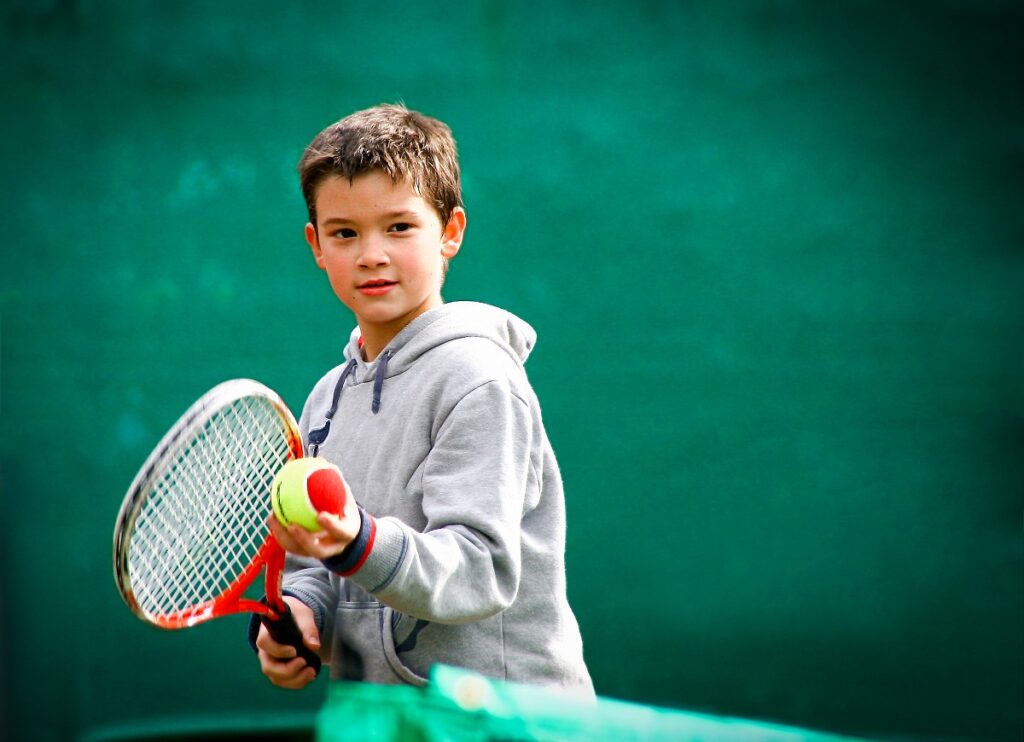
We put thoughts into words to regulate emotions. Words are incidental in producing emotions; it’s the thoughts that they produce that matter. To control our thoughts and emotions, we should know that reactive thought regulation slows reaction time. Proactive thought regulation speeds reaction time. So to control emotions, we need to prepare before getting on the court during a match by practicing behaviors that calm and regulate our emotions.
The reality is that unwanted thoughts are going to happen sometimes. The challenge is to let them be by not giving them too much attention. Instead we can simply acknowledge them to keep unwanted thoughts from spiraling.
Instead of saying, “mistakes are not good or bad”, it’s useful to understand they are both good and bad. Mistakes keep us from our goal of success. In that regard, they are bad. There isn’t a choice between which mistakes we should accept if we wish to transform mistakes into something good. By accepting them all, we learn.
When we play, our emotions are often in conflict because our desires and our outcomes don’t align. If our body goes into “fight or flight” mode, or what is also known as “Amygdala Hijack”, we lose the ability to use our prefrontal cortex, or the part of our brain responsible for rational thinking at a time when making rational decisions is exactly what we need. So we can prepare for conflict by practicing the following simple behaviors:
- Controlling our breathing: to become mindful of our thoughts
- Focusing on our body: to “anchor” our thoughts only to the present.
- Saying a Mantra: to maintain our thoughts from spiraling to further unwanted thoughts.
- Acknowledging and Labeling our thoughts: to help recognize them for what they are, and to create distance from them if they are unwanted.
Some players believe that they are a “victim” of unwanted words, thoughts and emotions. We are not, but we should understand that regulating emotions on the tennis court like every skill takes practice.
We can control our word thoughts and emotions if we prepare and practice.