
Changing Seasons: How Do Players Adjust When Moving To Outdoor Competition
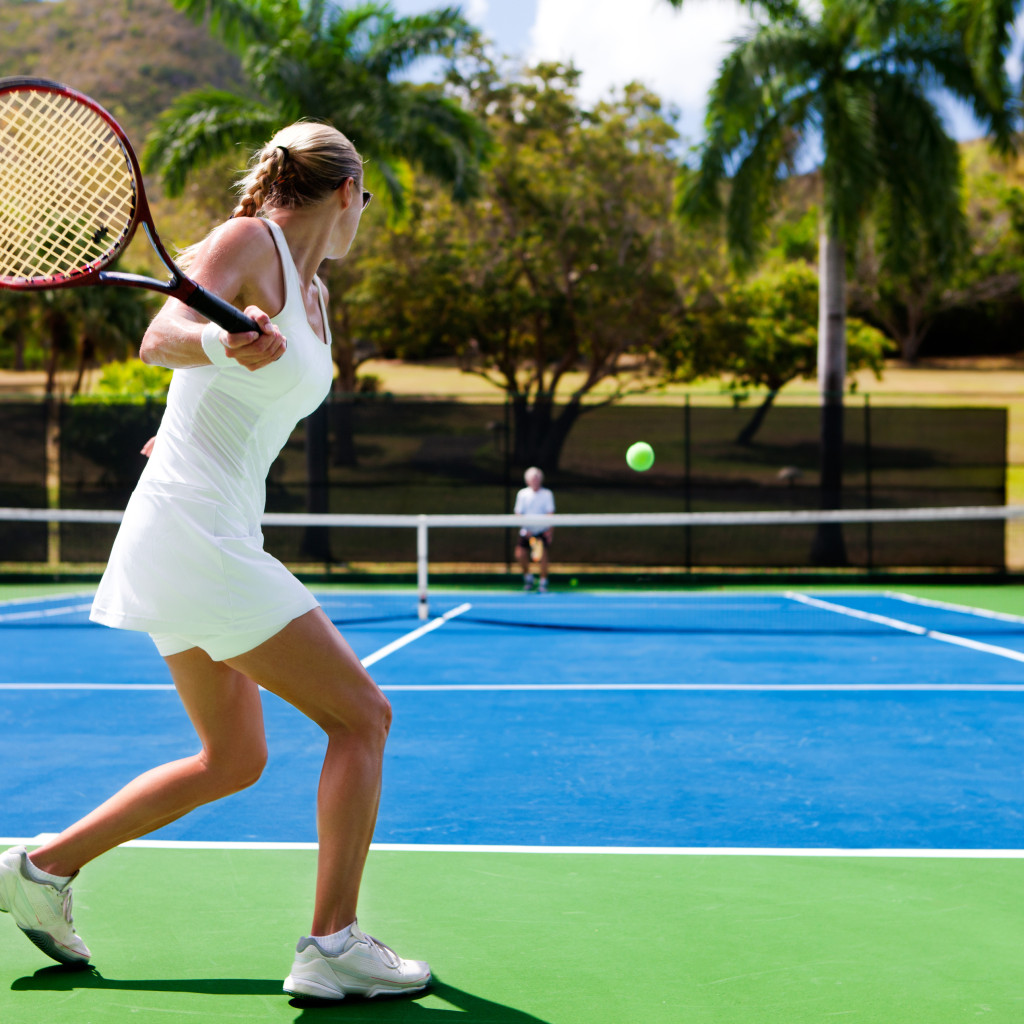
For many tennis players, this is the time of year to move from the climate controlled predictability of indoor tennis to the challenges and joys of playing the game outdoors. But how does one best prepare for this adjustment?
Moving from indoor to outdoor tennis requires significant adjustment because outdoors you must contend with unpredictable elements, including weather. Outdoor tennis means dealing with sun, wind, shadows, birds, and many other factors and conditions that can change throughout a match. Outdoors, players need to be adaptable, whether to inconsistent ball bounces, weather and more, with these varieties and surprises far less common in indoor tennis.
Physical/Technical Adjustments
Sun and Heat: Start with shorter sessions to allow your body to adapt. Hydrate.
Headwind (Wind in your face): The ball will drop faster, land shorter and travel a shorter distance. Use a fuller backswing and drive through the ball with less topspin to ensure depth. Be aggressive and take more risks, as the wind acts as a natural brake to keep your shots in.
Tailwind (Wind at your back): The ball will sail long more easily. Shorten your swing, use more topspin, and aim for larger targets deep in the court, rather than at the lines.
Use smaller, quicker steps to adjust to unpredictable wind patterns.
Expect higher bounces on outdoor hard courts and slower play on soft-surface courts.
Serve: Practice lower tosses for windy days and anticipate needing to adjust to the sun.
Use more topspin on your groundstrokes and serves. This provides a higher margin for error over the net and makes the ball flight more stable in the wind
Spend more time warming up to avoid injury in colder, early-season and late-season weather.
Equipment Changes
Outdoor environments affect how your racket and the tennis balls perform.
If you play soft-surface tennis during the indoor season, and wear sneakers designed for sliding and traction, switch to durable outsoles designed for hard, gritty courts. If you are a hard-court player during the indoor season and migrate to country club clay in the summer, do the opposite and get a good pair of soft-court sneakers with enough tracking to slide and pivot safely and efficiently.
In hot, dry, outdoor conditions, strings become more elastic; consider a slightly higher tension for better control. In colder weather, lower your tension to maintain power. If you play with natural gut strings indoors, and play on irrigated soft courts outdoors, consider switching to a synthetic string for the outdoor season, as humidity wreaks havoc with gut.
Avoid leaving rackets in a hot car or in direct sunlight, as extreme heat can cause rapid tension loss. Modern, polyester strings are the most stable in all conditions, and provide a great combination of power and control, so long as you do not get tennis elbow from using them.
If you play in high humidity, use an absorbent overgrip to prevent the racket from slipping due to sweat.
Environmental Preparation
The ability to manage additional factors in an outdoor environment is a skill in itself.
Hydration Routine: Start hydrating 24/36 hours before your match. Outdoors, your body can lose a lot of fluids through perspiration; consuming water and isotonic beverages will help you stay hydrated.
Temperature Management: Wear light-colored, moisture-wicking clothing to reflect heat and allow evaporative cooling. Keep a wet towel in your cooler to lower your body temperature during changeovers.
Sunscreen Application: Apply a sport-specific sunscreen at least 30 minutes before stepping on the court so it has time to absorb and won’t run into your eyes when you sweat.
In tennis, preparation is always key, and that includes preparing for the change of seasons. Identifying and addressing the variables of your outdoor playing situations will provide a strong foundation for on-court success.