
Large Meals vs. Small Meals for Athletes
Should we eat three large meals or six small snacks?
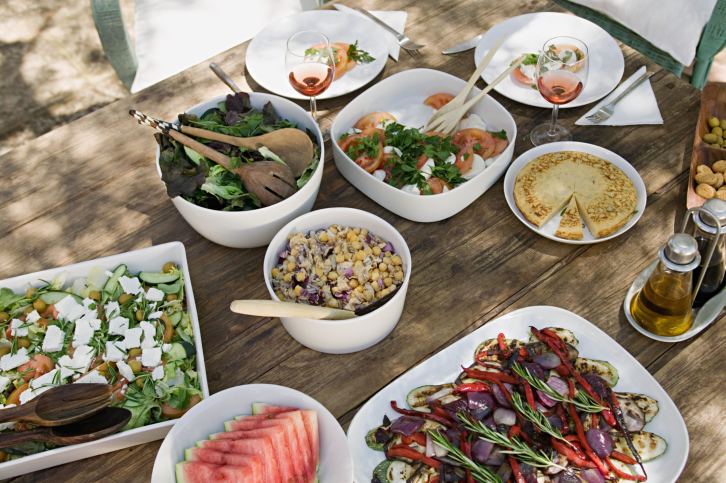
Many experts in the nutrition field argue about what is better for athletes: Eating the traditional three large meals a day, or spreading calories evenly throughout the day into six small and frequent meals?
In order to achieve optimum endurance on the court, every advantage counts. Let’s look at the facts and figure out what works best for a tennis player.
Large meals burden the digestive system and often cause bloating and low energy while the body struggles to break down the big meal. It’s simple: The bigger the meal, the bigger the crash one will experience. Crashes are a tennis player’s worst nightmare—we want continuous energy throughout an entire match or practice.
Have you experienced playing an amazing, high-energy set and then “hitting the wall” in the second set only to lose the match? This occurs because when we eat a big meal, the sugar level in our blood rises. But once that meal is digested, the blood sugar levels fall, thus taking your energy and mood with it.
Many sports nutritionists, including myself, agree that eating smaller and frequent meals will prevent the sugar drop, allowing your body to function more efficiently throughout the day and hence improving your endurance on the court.
Try to eat breakfast within one hour of rising, eat every three hours, and stop eating three hours before bedtime. This will help to increase BMR (Baseline Metabolic Rate), increase energy level and decrease appetite among other things. This will also aide in weight loss because irregular eating patterns and skipped meals can lead to overeating at nighttime.
For complete nutrition analyses and an individualized meal plan, see a registered dietitian specializing in sport nutrition. Remember, there are no two athletes alike and following someone else’s meal plan, might not work for you.