Nike, Porsche Pull Sharapova Endorsements
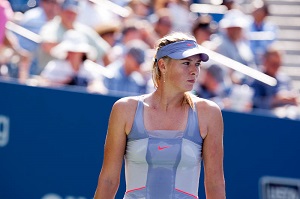
Maria Sharapova dropped a bombshell on reporters at a downtown Los Angeles press conference on Monday, revealing that she had failed a drug test during the Australian Open, and it didn’t take long for many of her sponsors to distance themselves from the world’s highest paid female athlete.
Soon after her press conference, Nike suspended its endorsement deal with the Russian star, a contract worth at least $12.5 million a year according to Business Insider.
“We are saddened and surprised by the news about Maria Sharapova,” Nike said in a statement. “We have decided to suspend our relationship with Maria while the investigation continues. We continue to monitor the situation.”
Porsche also announced it would be suspending its deal with Sharapova. In a statement sent to Sky Sports, Porsche said:
“We are saddened by the recent news announced by Maria Sharapova. Until further details are released and we can analyze the situation, we have chosen to postpone planned activities.”
While Nike and Porsche suspended their deals, TAG Heuer, the Swiss watch-maker, announced it would not be renewing its contract with the five-time Grand Slam champion, ending a relationship that goes back to 2004.
In a statement to Business Insider, a representative from TAG Heuer said:
“Maria Sharapova was under contract with Tag Heuer until December 31, 2015. We had been in talks to extend our collaboration. In view of the current situation, the Swiss watch brand has suspended negotiations.”
Sharapova’s failed drug test came as a result of the drug Meldonium, a substance she has legally taken since 2006 as prescribed by her doctor.
“I want people to know that for 10 years Maria took this substance, which was recommended to her by her doctor after he did an extensive battery of tests to determine what medical conditions were causing her to be sick on a frequent basis,” Sharapova’s lawyer Jon Haggerty told Sports Illustrated’s Jon Wertheim. “As it turned out, this was one of them. He checked them all and they were all not on the ban list and she was able to take them. These medications helped her. They brought her back to baseline, they eliminated or reduced some of the medical conditions she was dealing with. So with 10 years she proceeded on and legally and properly took this medication to keep these low-established medical conditions under control. Regrettably, when they added this to the ban list on January 1 of this year, she did not pick that up. So for 25 days out her long career she was not in compliance with the WADA requirements for banned substances.”