
The Rise of Ivy League Tennis
How the Ivies became a tennis power conference
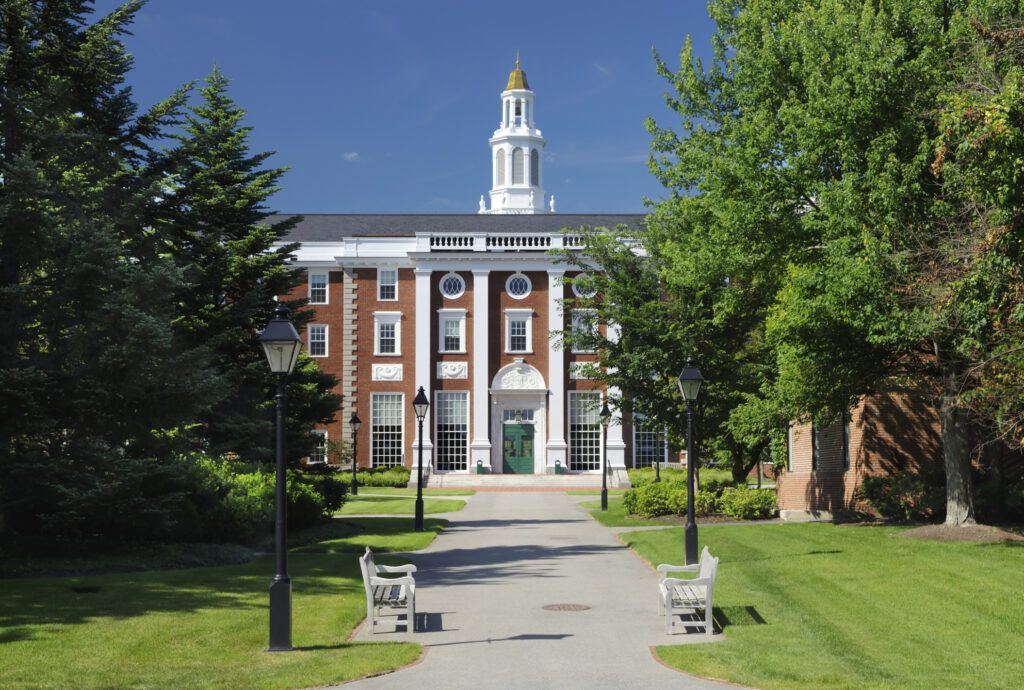
Ivy League tennis is hot, and only getting hotter as the League's level of play and recruits continue to rise to new heights. As one men's Ivy League coach explained, "We no longer recruit four star players. Personally, I'm looking for the player who might otherwise choose Stanford or Duke."
As proof of the new power of this conference, look to Columbia's Men's team under the leadership of Bid Goswami and co-head coach Howard Endelman, who, I am proud to say, is a longtime student. On Feb. 17, Columbia's Men's team was ranked 11th in the country by the Intercollegiate Tennis Association (ITA), the highest ranking for an Ivy League team in 35 years. Seven of the eight Ivy League men's and women's teams have regularly been ranked in the top 80 of Division I this year, putting the Ivies as a first tier tennis conference. The consensus among the coaches is that this is not an anomaly.
"We really believe that we can have a team break out and achieve a top 10 year-end ranking," said an Ivy League men's coach.
 I asked another longtime student, and first-year Brown University Head Coach Bryan Koniecko, as well as highly respected Brown Women's Coach Paul Wardlaw, whose team was ranked 36th this year, to distribute a brief questionnaire to their Ivy League peers. Thanks to their help, I got a strong e-mail and personal interview response. I have displayed information from the Ivy League coaches anonymously to encourage their candor, unless I was given permission to attribute a quote.
Consider that Ivy schools rank among the costliest in the nation, and have no scholarships, yet in an economic downturn, their tennis programs are thriving. It would be easy to say that these elite schools are simply immune to fluctuations in the economy, but the truth is a little more layered. In many ways, difficult economic conditions have created an opportunity for the Ivy League to ascend. The consensus among the coaches is that the rising cost of college tuition nationwide has placed the Ivies in greater economic parity with other schools.
"The high cost of an Ivy League school is now more in line with the high cost of everywhere else," said one coach. Financial aid is on the upswing for Ivy League tennis players in a big way. As one coach revealed, "We use a 10 to one formula. There are variables, but if you make $150,000, a year we can offer you a package that enables you to pay only $15,000 a year in tuition." Other coaches confirmed this formula and one added that "10 to one is likely the most generous package of all the schools in the league, but if we want you, our school will match that offer."
In NCAA Division I, men's tennis can offer the monies equal to 4.5 full scholarships and women's tennis can offer eight full scholarships in total. While the Ivies offer no "Athletic Grant in Aid," generous financial aid packages can and do exceed the monies given by fully-funded men's programs and come close on the women's side.
 For many tennis families, the chance to attend an Ivy League institution is not a difficult sell. Tennis remains an exclusive sport that requires great resources to excel. The level of family education that produces exceptional players is high. As the demographics of the age in which women bear children climbs, the appreciation of the value of an Ivy education also rises. So just how valuable is an Ivy education for a tennis player? As one coach explained, "It can open many doors." That's the understatement of the year, and I suggest there is no better fraternity on Earth for breaking into the exclusive world of Wall Street finance than coming from an Ivy League tennis team.
I have been fortunate enough to have coached many exceptional people who are now prominent hedge fund managers, investment bankers and analysts on Wall Street. I have seen firsthand the great pride taken by tennis alumni in helping the next generation of tennis players succeed. Chris Drake, men's tennis coach at Dartmouth and one of the new generation of top Ivy League coaches, explained: "Alums in the Ivy League have always well-supported opportunities for internships and employment." The current group of highly competitive coaches are reaching out to bring this support to a new level.
The Brown's Men's Team, under freshman coach Koniecko, is a great example of the power of fostering a winning culture among highly motivated and intellectually capable athletes. Coach Koniecko has imparted the same drive and desire that helped him become the number one-ranked college player in the country on his team. The Brown culture of synergistic team energy has awakened a sleeping giant and has helped Brown to a top 50 ITA ranking. Expect the Bears, under coach Koniecko's tremendous leadership, to continue to rise.
 Another recent success story of the Ivies is the Princeton Men's Tennis program, under the guidance of Billy Pate, who explained this about the upside of the Ivy League.
"There is serious potential at each of these universities to do something special and be a top 25 program,” said Pate. “If you add the opportunity to work with such gifted and highly motivated young people, it makes for a special culture."
It's also a unique culture because of the lack of scholarships. Players make a decision each day to show up obligated only by the desire to be part of a team.
"We've had some attrition over the years," said one coach. "But the players who have stayed all four years wouldn't trade this experience for anything in the world."
While Ivy sports are deep in history, tennis has seen its ups and downs. At one time not long ago, coaches avoided the Ivy League because they felt limited in career development. As one coach explained, "It's difficult to use Ivy coaching experience as a stepping stone for advancement outside the League, because the athletic director wants to hire coaches with experience handling scholarships. Today, the Ivy League's coaches have stellar resumes with the allure of new attractive facilities, larger athletic budgets and top players.”
College has seen a movement toward recruiting and admitting international players, and the Ivy League is not insulated from this trend. Some of the schools are more welcoming than others, but as one coach explained, "International financial aid deals are bringing new players in, and increasing the talent pool." Many of the coaches mentioned the international brand equity of the Ivies in attracting students from around the world.
"It's not hard to sell Harvard, Yale or Columbia, etc. overseas … they know who we are," one coach commented.
 I asked Columbia's Howard Endelman about his biggest challenge as an Ivy coach. He told me, “Finding the right players who will thrive in our system at Columbia. We are looking for players who have big goals—academically, athletically and career-wise and are willing to work toward those goals." Howard cares deeply about his players as people and "Columbia is always finding these motivated players. They are true student-athletes."
As the landscape of college tennis and all of college sports changes as a result of the "Northwestern" court ruling allowing student- athletes to engage in collective bargaining, expect some changes in the near future. Budgets for non-revenue sports like tennis could be stripped to the bone in many conferences. The Ivies are different, as many coaches explained. One coach summed this idea up well by saying, "The school does not expect us to generate revenue and does not need us to make revenue. Alumni donors love their sports."
In a time of uncertainty in college tennis, the Ivies might very well be the future of top-level collegiate tennis.