
Tennis Injury Prevention: The Five Most Common Symptoms of a Meniscus Injury
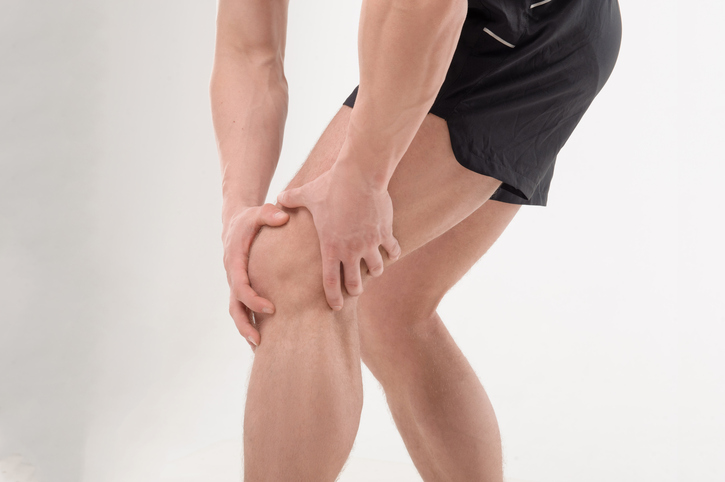
The meniscus has the important job of cushioning and stabilizing the knee joint, and any time a meniscus injury occurs, the symptoms are usually severe enough to warrant a trip to an Orthopedic Surgeon. If you’ve injured your knee and are experiencing any, or any combination, of the below-mentioned symptoms, you might have a meniscus injury that needs to be evaluated and treated.
Symptom #1: Locking and/or popping
A torn meniscus disturbs the integrity of the knee joint. As the knee flexes and extends, the bones may hit or catch the piece of torn meniscus, resulting in an aggravating, irritating and sometimes painful locking and/or popping sensation. Patients who experience this symptom are very aware of it, as it limits their ability to perform physical activities.
Symptom #2: Decreased range of motion
The femur and tibia rest perfectly on top of one another to form the knee joint. When healthy, the joint moves smoothly while flexing and extending the knee. Should a significant meniscus injury occur, the integrity and alignment of the joint will be affected and range of motion will decrease. With larger displaced meniscus tears the ability to fully straighten the leg will be affected. This symptom is especially problematic for athletes.
Symptom #3: Stiffness
Patients who sustain meniscus injuries may experience a great deal of stiffness. It’s not uncommon to see patients walk with their leg completely straight to avoid the locking and/or popping discussed above.
Symptom #4: Swelling
As with all soft tissue injuries, swelling can occur immediately following a meniscus injury. After a few days, swelling should go down. However, if the injury isn’t treated properly, swelling may continue and limit knee mobility.
Symptom #5: Pain
Pain is usually associated with a meniscus injury. The type and severity depend on the severity of the injury and pain tolerance of the patient. In most cases, pain ceases after rest and activity modification.
Treating a meniscus injury
Ideally, a meniscus injury can be treated using conservative, non-surgical options, such as:
►Rest and activity modification
►Physical therapy
►Medications
►Bracing
Sometimes, a meniscus injury is severe enough to require surgery. The goal of surgery is to repair or remove the piece of torn meniscus to restore the joint and range of motion.
Seeking treatment for a meniscus injury
If you’ve injured your knee and are experiencing any of the above-mentioned symptoms, an appointment with an Orthopedic Surgeon should be made. Once your knee has been examined, an accurate diagnosis and effective treatment plan can be made.