The Zone And How To Get There
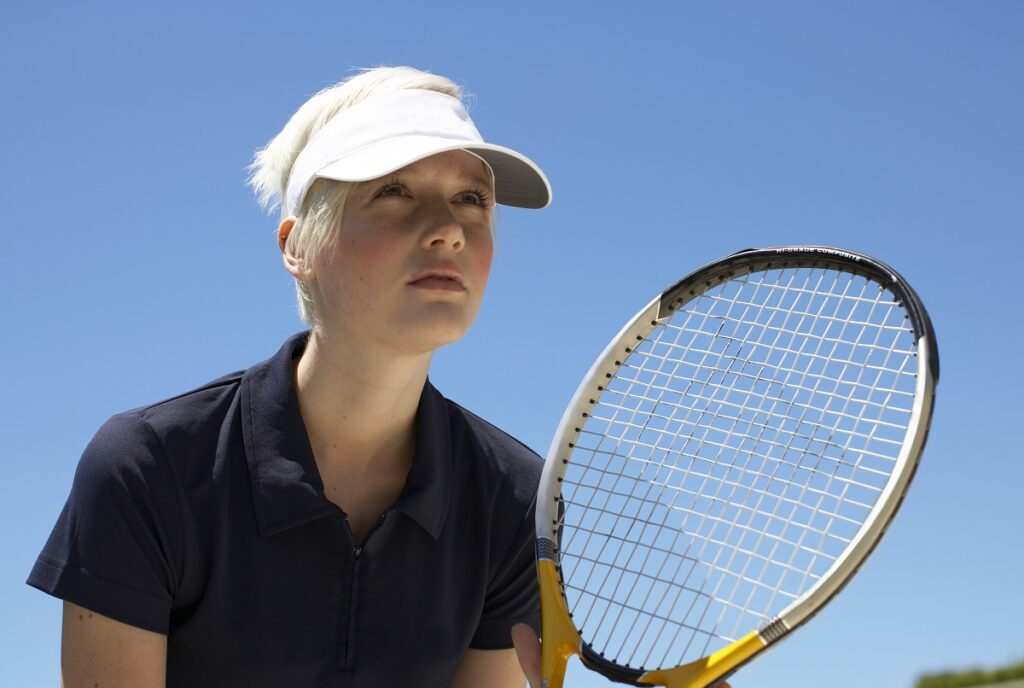
Every athlete wants to play “in the zone”, but this state of mind rarely occurs. All athletes are familiar with the term, “the zone”, that calm, energized, protected state of mind that screens out all distractions. Long-distance runners and swimmers regularly enter the zone since their sport is so solitary and has relatively few external distractions.
In psychological terms, getting into the zone is a sign that the player is able to dissociate and temporarily establish a new identity. Dissociation is a psychological defense that is usually acquired in youth and is based upon having a history of abuse coupled with a higher than average IQ. Dissociation is defined as the ability to temporarily, but drastically, modify one’s identity to avoid anxiety, pain or feelings of helplessness. We can’t provide a young player with a history of abuse so we are left with the challenge of helping the tennis player establish this kind of defense just before they play and also during the match. I will take you through a step-by-step process which will explain the way I do this with players.
Every athlete deals with anxiety differently, and this is based upon their identity, self-image and their defenses, so a unique intervention is needed for each player in order to get them into the zone. George Kelly’s pioneering work on personality development helps in this effort because he was one of the first behavior modifiers to suggest that we have a choice as to how we behave and feel. His work suggested that if you act confidently, that will help you to become more confident. Essentially, you can fake it till you make it.
There are three types of identities that work well in tennis. Some players feel they need to be quiet and focused, some feel they ought to be aggressive and dominant and others feel they would benefit by being cheerful and kind to their opponent. I usually leave it up to the player to decide which works best for them, based upon their previous playing history. I discuss in detail behaviors related to each character type and we rehearse this in the office by role modeling each. Each type of identity can be used to help the player to deal with their anxiety. Here is how we do it with each type of identity:
The Quiet One: Bjorn Borg was this character type. He was silent, quiet and non-disruptive. He did not relate to his opponent and he did not want to. For the player who picked the “quiet, more focused identity”, I teach them ways to be silent, non-verbal and non-interactive with the opponent during the entire match. With silence, the player learns to stay focused. Giving your opponent the silent treatment is very effective, and this type of behavior is what we call passive aggressive in psychoanalysis. The player is told to adopt this identity before they get on the court and to remain this way for the entire match. They are instructed to remain silent and not to talk to their opponent the entire match. This treatment was first designed by Pia Nillsen, the famous Swedish sport psychologist, who taught Annika Sorenstam how to dominate on the LPGA tour. When the player commits to this identity and behavior and sticks to it during the match, they enter a dissociated state and thus are in the zone.
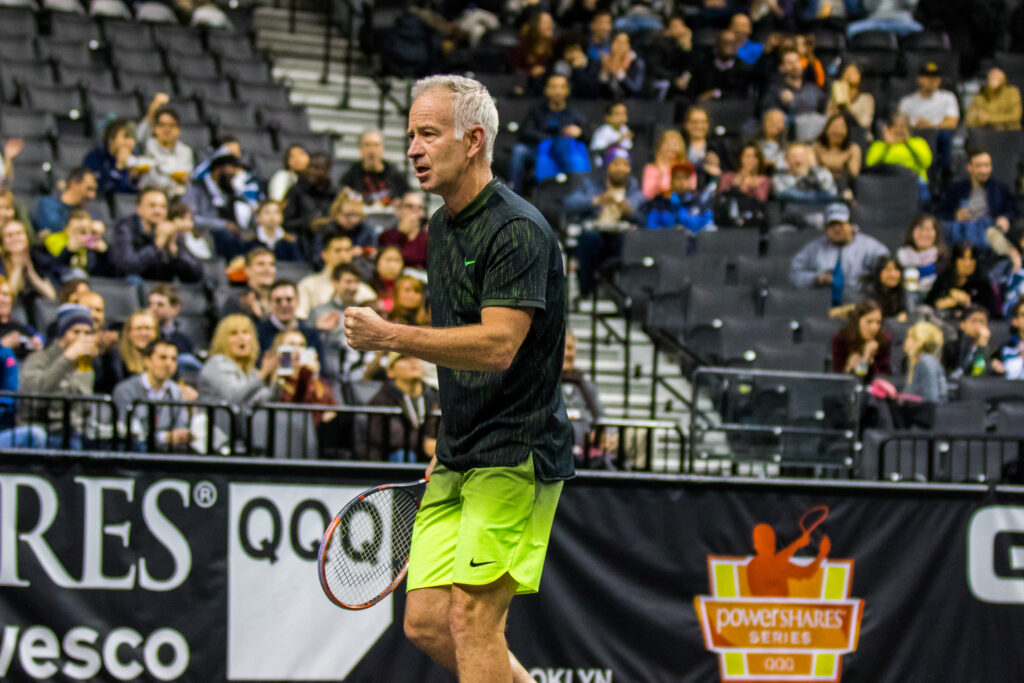
The Alpha: This kind of identity is seen in players like John McEnroe, who was not afraid to shout and scream. McEnroe would sneer, yell and scream at anyone who crossed him and this kind of behavior not only allowed him to ventilate his rage, but also enabled him to suppress his anxiety with aggression. This type of behavior is referred to as identification with the aggressor and although one does not want to be too aggressive, it is always good to be assertive when you are being wronged. This is very useful in youth tennis when games are often won or lost due to one player making bad calls. To dissociate into this kind of personality does not mean you must yell or scream, but it does mean you need to feel tough and use that attitude to win.
The Friendly Player: This type of identity can be used to relax you and help you enjoy the game of tennis, no matter what the stakes. Some athletes feel this is a good attitude to bring onto the court because it helps them to be more free and at peace. It also disarms the opponent and shows that you are confident. Joking and fooling around on court is sometimes seen in tennis by Novak ‘The Djoker’ Djokovic and he is a good role model for some players.
The key to all of these temporary tennis identities is to commit to them while playing. The full commitment to a new way of being and acting is the way dissociation works and it leads you into the zone. Anxiety is always the great disrupter in your game and adopting a whole new identity as you play is a very good way to approach this issue. You can pick any of the above identities and try it on as you would a uniform or a suit of armor. To get into the zone you need to have a strong defense and one of the best ways to do this is to pick a role model and emulate them. Contrary to what Charles Barkley once said athletes are role models.
To find out more about how to enter the zone by forming a new identity give me a call any time at (516) 248-7189 or visit my website at drtomferraro.com.